Hair Health Unlocked: What Your Strands Reveal About Your Body’s True Balance
Ever noticed how your hair reacts when you're stressed, tired, or not eating well? It’s not just about dandruff or split ends—your scalp and strands are mirrors of your internal health. From dullness to shedding, these signals often reflect deeper imbalances. Changes in texture, thickness, or shine can appear long before other symptoms arise, quietly revealing shifts in nutrition, hormone levels, or emotional well-being. Many dismiss hair concerns as cosmetic, but they are often early warnings from the body. I started paying attention, tracked changes, and was shocked by what my hair revealed. This is a real talk on how to read those signs—and respond the right way.
The Hidden Language of Hair
Hair is more than a style statement—it is a living record of your body’s internal environment. While often treated as purely aesthetic, your hair’s condition offers valuable clues about your overall health. Changes in texture, growth speed, volume, and resilience are not random. They are responses to what is happening beneath the surface. A sudden increase in shedding, for instance, may follow a bout of illness, surgery, or intense emotional stress. Dull, lifeless strands might point to nutrient gaps or dehydration. Slow regrowth could reflect a sluggish metabolism or hormonal shifts. These are not just bad hair days—they are biological messages.
One common misconception is that hair problems are solely the result of poor grooming or aging. While external care matters, it cannot override internal imbalances. Using expensive shampoos or serums may temporarily improve appearance, but they won’t stop hair loss caused by iron deficiency or thyroid dysfunction. Similarly, split ends won’t vanish simply by trimming more frequently if the underlying issue is chronic protein insufficiency. The truth is, treating the symptom without addressing the cause leads to temporary fixes at best. Lasting hair health begins with understanding what your body is trying to tell you.
Consider the experience of many women in their late thirties and forties. They may notice their ponytail thinning after childbirth, during perimenopause, or following a prolonged period of high stress. These are not coincidences. Hair has a delayed response to internal changes—often showing effects three to six months after a physiological shift. This lag means that by the time hair changes become visible, the body has already been under strain for some time. Recognizing this delay is crucial. It encourages a mindset shift: instead of reacting in panic, you can respond with curiosity and care, using your hair as a guide to deeper wellness.
Key Health Indicators Your Hair Exposes
Your hair’s appearance can reflect a range of internal conditions, acting as a non-invasive indicator of systemic health. Brittle, snapping strands often suggest deficiencies in essential nutrients like iron, zinc, or protein. When the body lacks these building blocks, it prioritizes vital organs over hair follicles, leading to weakened keratin structure. Similarly, excessive shedding—more than the typical 50 to 100 strands lost daily—can signal hormonal fluctuations, immune system changes, or acute stress events. This type of shedding, known medically as telogen effluvium, occurs when a larger-than-normal proportion of hair follicles enter the resting phase simultaneously.
Slow hair growth is another red flag. While genetics play a role in growth rate, a noticeable slowdown may point to metabolic issues, such as an underactive thyroid. The hair growth cycle depends on cellular activity, blood circulation, and hormone balance—all influenced by thyroid hormones. If metabolism slows, so does hair renewal. Scalp inflammation, marked by redness, itching, or persistent flaking, may also indicate deeper imbalances. Emerging research highlights the gut-skin connection, suggesting that an unhealthy gut microbiome can contribute to inflammatory skin and scalp conditions. This does not mean hair issues are always serious, but they should not be ignored.
It is important to emphasize that these signs are clues, not diagnoses. While patterns can point to likely causes, only a healthcare provider can confirm underlying conditions through blood tests and clinical evaluation. For example, low ferritin (stored iron) is a well-documented cause of hair thinning, especially in premenopausal women. Yet, iron deficiency often goes undetected because symptoms like fatigue or hair loss are attributed to stress or aging. Recognizing the link empowers you to seek appropriate testing. The goal is not self-diagnosis, but informed awareness—knowing when to consult a doctor and what questions to ask.
Nutrition: The Fuel Behind Strong, Shiny Hair
Healthy hair begins on your plate. The proteins, vitamins, and minerals you consume directly influence hair strength, texture, and growth. Keratin, the primary structural protein in hair, is made from amino acids derived from dietary protein. Without sufficient protein intake, hair becomes weak, thin, and prone to breakage. This is especially relevant for women who follow restrictive diets, skip meals, or eliminate entire food groups without proper substitution. Even mild protein deficiency, over time, can impair hair renewal.
Iron is another critical nutrient. It helps red blood cells carry oxygen to hair follicles, supporting their energy needs. Low iron levels, particularly low ferritin, are strongly associated with hair loss in women. Good dietary sources include lean meats, lentils, spinach, and fortified grains. However, absorption matters as much as intake. Vitamin C-rich foods like bell peppers and citrus fruits enhance iron absorption, while tea and calcium supplements can inhibit it. Pairing foods wisely improves nutrient uptake.
Zinc plays a role in hair tissue growth and repair. Deficiency can lead to brittle hair and scalp issues. Oysters, pumpkin seeds, and chickpeas are rich in zinc. Biotin, often marketed as a hair growth supplement, is involved in keratin production. While biotin deficiency is rare, some people benefit from increased intake, especially if their diet is low in eggs, nuts, and whole grains. Omega-3 fatty acids, found in fatty fish, flaxseeds, and walnuts, support scalp health by reducing inflammation and keeping hair follicles nourished.
Yet, eating well is only half the equation. Digestive health determines how well your body absorbs these nutrients. Conditions like low stomach acid, intestinal inflammation, or food sensitivities can impair nutrient uptake, even with a balanced diet. This is why some women eat “clean” but still experience hair thinning. A holistic approach includes not only what you eat but how well your body uses it. Working with a registered dietitian or healthcare provider can help identify gaps and optimize digestion for better results.
Hormones and Hair: Understanding the Rhythm
Hormonal balance is a cornerstone of healthy hair. The hair growth cycle—comprising growth (anagen), transition (catagen), and rest (telogen) phases—is tightly regulated by hormones. When hormones shift, the cycle can be disrupted. Thyroid hormones, for example, influence metabolism and cellular activity. Hypothyroidism, or low thyroid function, is a common but often overlooked cause of dry, brittle hair and increased shedding. Blood tests measuring TSH, T3, and T4 can identify imbalances, and proper treatment often leads to noticeable hair improvement.
Cortisol, the primary stress hormone, also plays a major role. During periods of chronic stress, cortisol levels remain elevated, which can push hair follicles into the resting phase prematurely. This results in telogen effluvium, typically appearing months after a stressful event. Many women report sudden hair loss after a divorce, job change, or family crisis—events that strain the nervous system. While this shedding is usually temporary, repeated stress cycles can prolong the issue, making recovery harder.
Sex hormones, including estrogen, progesterone, and testosterone, also affect hair. During pregnancy, high estrogen levels prolong the growth phase, leading to thicker, fuller hair. After delivery, hormone levels drop sharply, causing a wave of shedding around three to four months postpartum. This is normal and usually resolves within six to twelve months. However, persistent thinning may indicate hormonal imbalances related to perimenopause, polycystic ovary syndrome (PCOS), or other endocrine conditions.
The key is not to fear hormonal changes but to understand them. Hormones fluctuate naturally throughout life, and hair responds accordingly. The goal is not to achieve perfection but to support balance through lifestyle, nutrition, and medical guidance when needed. Regular check-ups, stress management, and mindful self-care can help maintain hormonal harmony and, in turn, healthier hair.
Scalp Health: The Forgotten Foundation
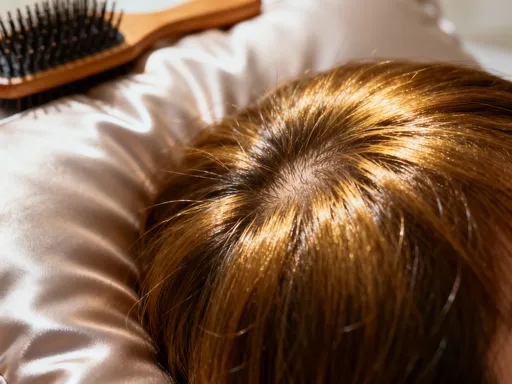
While much attention goes to the ends of hair, the scalp is where growth begins. Think of it as the soil in which your hair grows. If the scalp is inflamed, clogged, or poorly nourished, even the strongest strands will struggle. The scalp is living skin, complete with oil glands, blood vessels, and a delicate microbiome. When this ecosystem is disrupted, problems arise—itching, flaking, excess oil, or dryness. These are not just cosmetic nuisances; they can impair follicle function and hinder growth.
Blood flow is essential for delivering oxygen and nutrients to hair roots. Poor circulation, often linked to sedentary lifestyles or tight hairstyles, can weaken follicles over time. Gentle scalp massage, regular movement, and avoiding tight ponytails or braids can help maintain healthy circulation. pH balance also matters. The scalp’s natural pH is slightly acidic, which helps protect against bacteria and fungi. Harsh shampoos or overwashing can strip natural oils and disrupt this balance, leading to irritation or dandruff-like symptoms.
The scalp microbiome—home to beneficial bacteria and fungi—plays a growing role in skin and hair health. Just as gut bacteria affect digestion, scalp microbes influence inflammation and barrier function. Overuse of strong detergents, chemical treatments, or frequent heat styling can damage this microbiome, making the scalp more vulnerable to irritation. Product buildup from styling creams, sprays, or dry shampoo can also clog follicles, especially if not washed out regularly.
Good scalp hygiene doesn’t mean stripping it clean. It means gentle, consistent care. Washing every few days with a mild cleanser, avoiding excessive heat, and using lukewarm water can preserve the scalp’s natural balance. Natural oils like coconut or jojoba, used sparingly, may help moisturize without clogging pores. The goal is to create a supportive environment where hair can thrive—not to chase instant results with aggressive treatments.
Lifestyle Pressures: Stress, Sleep, and Hair Loss
Modern life demands constant adaptation, but chronic stress takes a toll on the body—including hair. When stress becomes ongoing, the body remains in a state of heightened alert, releasing cortisol and inflammatory markers that disrupt normal biological processes. This internal environment is not conducive to hair growth. Studies show that prolonged stress can shorten the hair growth phase and increase shedding. Women juggling work, family, and personal responsibilities often report hair thinning during especially demanding periods.
Sleep is equally vital. During deep sleep, the body repairs tissues, balances hormones, and regulates inflammation. Poor sleep quality or insufficient rest interferes with these processes, indirectly affecting hair health. Sleep deprivation elevates cortisol, weakens immunity, and impairs nutrient metabolism—all factors that can contribute to hair loss. Establishing a consistent bedtime routine, reducing screen time before bed, and creating a restful sleep environment are practical steps toward better rest.
Managing stress doesn’t require drastic changes. Small, sustainable habits make a difference. Deep breathing exercises, mindful walking, or journaling can help regulate the nervous system. Setting boundaries, saying no when necessary, and carving out time for quiet reflection support emotional resilience. Physical activity, even a daily 20-minute walk, boosts circulation and reduces stress hormones. These practices may not yield immediate hair changes, but over time, they create the internal stability hair needs to grow strong.
The message is not to eliminate stress—this is unrealistic—but to build capacity for recovery. Just as muscles need rest after exertion, so does the body after stress. Prioritizing self-care is not indulgence; it is maintenance. When you support your nervous system and sleep patterns, you also support your hair.
A Systematic Approach to Long-Term Hair Wellness
Sustainable hair health is not about quick fixes or miracle products. It is the result of consistent, holistic care that honors the body’s complexity. No single supplement, shampoo, or trend can override the effects of poor nutrition, unmanaged stress, or hormonal imbalance. Instead, a systematic approach—monitoring signs, supporting bodily systems, and making informed choices—leads to lasting results. Start by observing your hair with curiosity. Is it drier than usual? Is shedding increasing? Are new growths slower? These observations are valuable data points.
Next, consider the pillars of health: nutrition, hormones, digestion, sleep, and emotional well-being. Address each with gentle, evidence-based strategies. Eat a varied, nutrient-dense diet. Support digestion with fiber, hydration, and mindful eating. Prioritize sleep and stress management. Seek medical advice when changes persist. Blood tests for iron, thyroid function, and vitamin levels can provide clarity and guide next steps. Work with trusted professionals—doctors, dietitians, or dermatologists—who listen and support your goals.
Avoid the trap of reactive fixes—jumping from one product to another, chasing viral trends, or overloading on supplements without guidance. These approaches often lead to frustration and wasted resources. Instead, focus on balance and consistency. Healthy hair grows from a healthy body, and a healthy body thrives on routine, nourishment, and care. Progress may be slow, but it is steady.
Finally, cultivate patience and trust. Hair cycles are long, and improvements take time. What you see today reflects choices and conditions from months ago. By making supportive changes now, you are investing in future resilience. Let your hair be a reminder of your body’s wisdom—not a source of anxiety, but a guide to deeper well-being. When you listen, care follows. And when care follows, health grows—not just in your hair, but in your life.