What Your Hair Actually Needs: A Science-Backed Routine That Works
Hair health is more than just shampoo and luck—it’s science. I used to think split ends were inevitable and hair thinning was just part of aging. But after tracking my habits, testing changes, and seeing real results, I realized: how we manage our hair reflects how we manage our health. This isn’t about quick fixes, but consistent, proven care. If your hair feels weak, dull, or slow to grow, it might not be genetics—it could be your routine. Let’s break down what actually works.
The Hidden Truth Behind Hair Health
Hair is not merely a cosmetic feature—it is a dynamic biological structure that reflects the state of your overall health. Each strand begins deep within the scalp in a structure known as the hair follicle, where cells divide rapidly to produce keratin, the primary protein in hair. The growth of each hair follows a predictable cycle composed of three phases: anagen (the active growth phase lasting two to seven years), catagen (a brief transitional stage of two to three weeks), and telogen (the resting phase, which lasts about three months before the hair sheds and the cycle restarts). At any given time, about 85–90% of your hair is in the anagen phase, while the rest is either resting or preparing to shed.
What many people don’t realize is that hair acts as a visible biomarker of internal well-being. Nutritional deficiencies, hormonal fluctuations, and chronic stress can all disrupt this natural cycle, leading to premature shedding or weakened strands. For example, low iron levels can shorten the anagen phase, causing more hairs to enter the telogen phase simultaneously—a condition known as telogen effluvium. Similarly, thyroid imbalances can slow hair growth and increase brittleness. Because hair grows slowly—about half an inch per month—changes in health may not become visible for weeks or even months, making it easy to overlook the root cause.
A common misconception is that cutting hair regularly makes it grow faster. In reality, trimming only removes split ends and improves appearance; it does not influence the rate of growth, which is determined by the follicle beneath the scalp. Another myth is that brushing hair 100 strokes a day strengthens it. Over-brushing, especially when hair is wet and more elastic, can lead to breakage and scalp irritation. The truth is that visible hair health begins with what happens below the surface: circulation, nutrient delivery, and cellular activity in the follicle. Therefore, effective hair care must go beyond surface treatments and address the biological foundation of growth.
Why Modern Lifestyles Are Sabotaging Your Hair
Modern life, while convenient in many ways, often works against optimal hair health. Chronic stress, inadequate sleep, extreme dieting, and excessive use of heat styling tools are common habits that silently undermine the hair growth cycle. When the body is under prolonged stress, it produces elevated levels of cortisol, a hormone that, in excess, can disrupt the normal rhythm of the hair cycle. High cortisol has been linked to increased shedding and even temporary hair loss, particularly in women experiencing major life changes such as postpartum transitions, emotional strain, or professional burnout.
Sleep is another critical factor often overlooked. During deep sleep, the body repairs tissues, balances hormones, and regenerates cells—including those responsible for hair growth. Consistently getting less than seven hours of quality sleep can impair these processes, leading to dull, thinning hair over time. Similarly, restrictive diets that eliminate entire food groups—such as low-protein or extreme low-fat plans—can deprive the body of essential nutrients needed for keratin synthesis. Protein is the building block of hair, and without adequate intake, the body may redirect available protein to more vital organs, slowing or halting non-essential functions like hair growth.
External habits also play a significant role. Frequent use of flat irons, curling wands, and blow dryers at high temperatures can weaken the hair shaft, leading to dryness, split ends, and breakage. Chemical treatments such as bleaching, perming, or relaxing further compromise the hair’s structural integrity by altering its natural protein bonds. These processes strip away protective lipids and increase porosity, making hair more vulnerable to environmental damage. A relatable scenario is the post-diet shedding many women experience after rapid weight loss. While the goal may have been improved health, the sudden caloric restriction can shock the system, triggering widespread shedding several months later. This is not a sign of failure but a signal that the body needs more balanced, sustainable nourishment.
Scalp Health: The Forgotten Foundation
While most hair care routines focus on the visible strands, the scalp is where true health begins. Often compared to soil for a garden, the scalp provides the environment in which hair follicles thrive—or struggle. It is a living, breathing ecosystem rich in blood vessels, sebaceous glands, and microbiota. Sebum, the natural oil produced by the scalp, helps moisturize both the scalp and hair shaft, protecting against dryness and breakage. However, an imbalance—either too much or too little sebum—can lead to problems such as dandruff, clogged follicles, or an itchy, inflamed scalp.
The scalp’s microbial community, including beneficial bacteria and fungi like Malassezia, plays a crucial role in maintaining pH balance and defending against pathogens. When this balance is disrupted—due to harsh shampoos, over-washing, or environmental pollutants—it can lead to conditions such as seborrheic dermatitis or folliculitis, both of which may contribute to hair thinning. Proper cleansing is essential, but so is gentleness. Using sulfate-free or mild surfactant-based shampoos helps preserve the scalp’s natural barrier without stripping essential oils. For those with oily scalps, daily washing may seem necessary, but it can trigger rebound oil production as the scalp tries to compensate for lost moisture.
Gentle exfoliation, performed once or twice a week, can help remove dead skin cells and product buildup without irritation. Physical exfoliants with fine particles or soft silicone brushes are preferable to harsh scrubs that may damage delicate skin. Chemical exfoliants containing salicylic acid or gentle fruit enzymes can also be effective for unclogging follicles. Equally important is blood circulation. Regular scalp massage, even for just a few minutes a day, can stimulate microcirculation, delivering more oxygen and nutrients to the follicles. This simple practice not only supports healthier growth but can also reduce tension and promote relaxation—a dual benefit for both hair and mind.
Nutrition That Fuels Stronger Hair
No hair care routine can fully compensate for poor nutrition. The body prioritizes vital organs over hair when allocating nutrients, so deficiencies often show up first in hair quality. A diet rich in high-quality protein, healthy fats, vitamins, and minerals creates the internal conditions necessary for strong, resilient hair. Keratin, the structural protein of hair, is made from amino acids, which come from dietary protein. Without sufficient intake, hair may become thin, brittle, and slow to grow. Good sources include eggs, lean meats, fish, legumes, and dairy products, all of which provide the essential amino acids the body cannot produce on its own.
Omega-3 fatty acids, found in fatty fish like salmon, chia seeds, and walnuts, support scalp health by reducing inflammation and keeping cell membranes flexible. These fats also help maintain natural oil production, preventing dryness and flakiness. Vitamins play equally important roles: vitamin A supports sebum production but should be consumed in moderation, as excess can lead to hair loss. Vitamin C is vital for collagen synthesis and iron absorption—both critical for hair strength. Citrus fruits, bell peppers, and broccoli are excellent sources. Vitamin D, increasingly recognized for its role in hair cycling, influences follicle health, and low levels have been associated with alopecia. While sunlight is a natural source, dietary intake from fortified foods or fatty fish can help maintain adequate levels.
Minerals such as iron, zinc, and selenium are also essential. Iron deficiency, particularly common in women, is a well-documented cause of hair shedding. Plant-based iron (non-heme) is less easily absorbed, so pairing it with vitamin C-rich foods enhances uptake. Zinc supports tissue repair and immune function, and both deficiency and excess can contribute to hair loss, making balance key. Biotin, often marketed as a hair growth supplement, does support keratin production, but true deficiency is rare, and benefits for those with normal levels are not strongly supported by evidence. Rather than relying on supplements, a food-first approach ensures a broad spectrum of nutrients in bioavailable forms. Hydration and gut health also matter—proper digestion and a balanced microbiome improve nutrient absorption and reduce systemic inflammation, creating a more favorable environment for hair growth.
The Daily Routine That Makes a Difference
While nutrition and internal health lay the foundation, a consistent daily routine can significantly enhance hair strength and appearance. The key is not complexity but sustainability—simple, repeatable habits that protect hair from damage and support its natural cycle. Morning care should begin with gentle detangling using a wide-tooth comb or a brush with soft, flexible bristles, starting from the ends and working upward to minimize breakage. Avoid brushing wet hair aggressively, as it is more prone to stretching and snapping. If heat styling is necessary, always apply a heat protectant spray to create a barrier between the tool and the hair shaft, reducing protein loss and moisture damage.
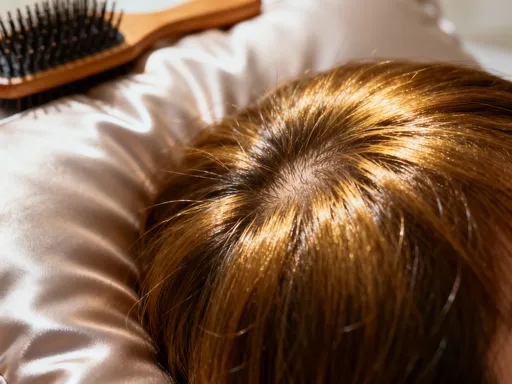
At night, switching to a silk or satin pillowcase can reduce friction, preventing tangles and cuticle damage that leads to frizz and breakage. Sleeping with hair loosely braided or in a soft scrunchie can further minimize stress on the strands. Over-tight hairstyles like ponytails or buns worn daily can cause traction alopecia over time, especially around the hairline. Opting for low-manipulation styles reduces mechanical stress and preserves hair integrity. Washing frequency should be tailored to individual needs—some may benefit from washing two to three times a week, while others with very dry scalps may need less. When washing, focus shampoo on the scalp and use conditioner primarily on the mid-lengths and ends, where moisture is most needed.
Rinsing with cool or lukewarm water helps seal the hair cuticle, enhancing shine and smoothness. Hot water can strip natural oils and irritate the scalp, so it should be avoided. Deep conditioning treatments once a week can restore moisture, especially for those with chemically treated or heat-damaged hair. Air drying is gentler than blow drying, but if using a dryer, a low-heat setting with a diffuser attachment helps distribute airflow evenly and reduce stress. The goal is not perfection but protection—preserving the hair’s natural strength through mindful, consistent choices. Over time, these small actions accumulate into visible improvements: less shedding, more shine, and increased resilience.
When to Seek Professional Guidance
While lifestyle and routine changes can resolve many common hair concerns, some signs indicate the need for professional evaluation. Sudden or excessive shedding—losing more than 100 hairs a day for several weeks—can signal an underlying condition such as telogen effluvium, often triggered by illness, surgery, or hormonal shifts. Patchy hair loss, particularly in round or irregular shapes, may suggest alopecia areata, an autoimmune disorder that requires medical diagnosis. Scalp changes such as persistent redness, scaling, pain, or sores should not be ignored, as they may point to infections, dermatitis, or other treatable conditions.
Texture changes—such as hair becoming noticeably finer, drier, or more brittle without a clear cause—can also reflect internal imbalances, including thyroid dysfunction or nutrient deficiencies. In such cases, self-treatment with over-the-counter products or unverified remedies may delay proper care. Dermatologists and trichologists (hair and scalp specialists) can perform tests, including blood work and scalp examinations, to identify root causes and recommend evidence-based treatments. These may include topical solutions like minoxidil, prescription medications, or hormone therapy, depending on the diagnosis.
It’s important to approach hair loss with compassion, not shame. Many women experience hair thinning at some point, often during perimenopause or after major life events. Seeking help is not a sign of vanity but of self-respect and proactive health management. A professional can distinguish between temporary shedding and chronic conditions, providing clarity and a targeted plan. Early intervention often leads to better outcomes, so delaying care out of embarrassment or hope that it will resolve on its own is not advisable. The goal is not to restore hair to a past state but to support its health in the present, with realistic expectations and science-backed strategies.
Hair Care as a Form of Self-Care
Caring for your hair can be more than a daily chore—it can become a meaningful act of self-care. The time spent washing, conditioning, or massaging the scalp offers a quiet opportunity to pause, breathe, and reconnect with your body. In a world that often prioritizes productivity over presence, these small rituals foster mindfulness and self-awareness. When approached with intention, hair care becomes less about appearance and more about honoring your body’s needs. The discipline required to maintain a consistent routine—choosing nourishing foods, protecting hair from damage, prioritizing sleep—often spills over into other areas of wellness, creating a ripple effect of healthier choices.
Patient progress is a key lesson hair teaches. Unlike quick fixes, real improvement takes time. It may take three to six months of consistent effort before changes become visible, as hair grows slowly and responds gradually to internal and external shifts. This requires patience and trust in the process. Celebrating subtle wins—such as noticing less hair on the brush, a shinier texture, or stronger strands that no longer snap easily—helps maintain motivation. These signs are not just about hair; they reflect a body that is better nourished, less stressed, and more balanced.
Ultimately, healthy hair is not a miracle but a reflection of consistent, science-aligned care. It is not about chasing perfection but about building sustainable habits that support long-term well-being. By understanding the biology behind growth, adjusting lifestyle factors, nourishing the body, and treating the scalp with care, women can create a routine that works with their biology, not against it. And in doing so, they affirm a deeper truth: that self-care is not selfish, but essential. Stronger hair is not just a cosmetic outcome—it is a visible sign of a healthier, more attentive relationship with oneself.