How Yoga Transformed My Health Faster Than I Ever Thought Possible
You don’t need hours a day to feel real change. I started with just ten minutes of simple yoga every morning—no experience, no perfect posture. Within weeks, my energy lifted, my sleep improved, and that constant low-level stress? It softened. This isn’t about extreme routines or instant miracles. It’s about consistency, small moves, and how even the tiniest practice can spark noticeable health improvements. Let me show you how.
The Breaking Point: Why I Finally Tried Yoga
For years, I told myself I was too busy for self-care. My days followed a familiar rhythm: wake up tired, drag through work, collapse on the couch, and repeat. I wasn’t sick, but I wasn’t thriving either. A low hum of fatigue followed me like a shadow. Sleep came fitfully, often interrupted by a racing mind or stiff shoulders. Headaches were routine. I carried tension in my neck and jaw, unaware of how deeply it affected my mood and focus. I tried quick fixes—extra coffee, weekend naps, herbal teas—but nothing offered lasting relief. I knew something had to shift, but the idea of a full workout felt overwhelming. That’s when I first considered yoga—not as a fitness trend, but as a gentle invitation to reconnect with my body.
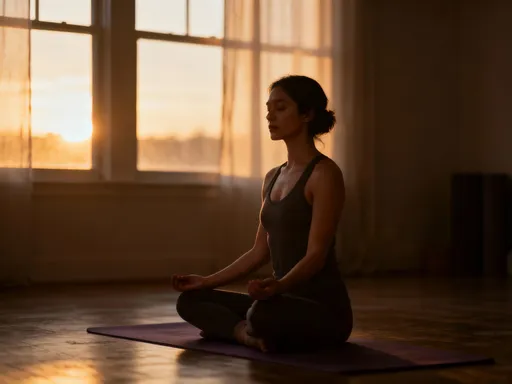
Like many, I had misconceptions about what yoga required. I imagined long sessions, complicated poses, and people bending into pretzels with serene expressions. I assumed I needed to be flexible, own a mat, and know Sanskrit terms before I could even begin. The truth? Yoga meets you exactly where you are. It doesn’t demand perfection. It asks only for presence. What finally pushed me was a simple realization: if I didn’t make a small change now, nothing would improve. I didn’t need a revolution—just a tiny, daily act of care. So, I committed to ten minutes in the morning, no excuses. No special clothes. No expectations. Just me, the floor, and a willingness to try.
Fast-Track Yoga: What "Quick" Really Means
When we hear “fast results,” we often think of intense workouts, strict diets, or dramatic lifestyle overhauls. But real, sustainable change rarely comes from extremes. In my case, “fast” didn’t mean overnight transformation—it meant consistent, meaningful progress within weeks. And that shift began with redefining what a “real” practice looked like. Science supports this: studies show that short, regular movement sessions—especially those combining gentle stretching and breath awareness—can improve circulation, reduce cortisol levels, and enhance nervous system regulation more effectively than sporadic, longer workouts.
Yoga works quickly because it targets the body’s stress response at a foundational level. Unlike high-intensity exercise, which can temporarily increase stress hormones, yoga activates the parasympathetic nervous system—the “rest and digest” mode. This shift happens almost immediately when you begin slow, mindful movement paired with deep breathing. Within days of starting my 10-minute routine, I noticed subtle but significant changes: my shoulders relaxed, my breathing deepened, and I felt less reactive to daily frustrations. These weren’t miracles—they were physiological responses to intentional stillness. The key wasn’t duration; it was regularity. Ten minutes a day, seven days a week, created a cumulative effect that longer, infrequent sessions couldn’t match.
Additionally, yoga improves posture and spinal health with minimal effort. Most of us spend hours sitting, which compresses the spine and restricts blood flow. Simple yoga movements counteract this by gently decompressing vertebrae, lubricating joints, and re-educating muscles. This leads to better alignment, reduced back pain, and increased energy—all without needing to “work out.” Over time, these small corrections compound, leading to a body that feels lighter, more balanced, and more capable. That’s the real power of fast-track yoga: it doesn’t ask for more time, just better use of the time you already have.
The 3 Core Poses That Made the Biggest Difference
When I began, I didn’t learn dozens of poses. I focused on three foundational ones that delivered the most benefit with the least complexity. These poses became the anchor of my daily routine, offering physical relief and mental calm almost immediately. They require no prior experience, minimal space, and can be modified for any body. Here’s how they transformed my health.
First, Child’s Pose (Balasana). This simple kneeling posture gently stretches the lower back, hips, and shoulders while encouraging deep, diaphragmatic breathing. I practiced it first thing in the morning, often before I even got out of bed. By folding forward and resting my forehead on the floor or a pillow, I signaled to my nervous system that it was safe to relax. This pose calms the mind, reduces anxiety, and gently releases tension stored in the spine. For anyone who spends time sitting or feels mentally overwhelmed, Child’s Pose offers a reset. It’s not about how far you go—it’s about how fully you breathe while you’re there.
Next, Cat-Cow Stretch. Performed on hands and knees, this flowing movement warms up the spine, improves flexibility, and synchronizes breath with motion. Inhaling as the belly drops and the chest lifts (Cow), then exhaling as the spine rounds toward the ceiling (Cat)—this rhythmic motion increases spinal fluid circulation and massages internal organs. I found it especially helpful after long periods of sitting. Just five slow repetitions brought immediate relief to my stiff back and sharpened my focus. Over time, this movement improved my posture and reduced the frequency of tension headaches. It’s a perfect example of how gentle motion can have profound effects.
Finally, Legs-Up-the-Wall Pose (Viparita Karani). This restorative inversion requires nothing more than a clear wall space and a few minutes. Lying on my back with legs extended vertically against the wall, I allowed gravity to gently reverse blood flow from the lower extremities. This pose reduces swelling in the legs, calms the nervous system, and supports lymphatic drainage. I practiced it in the evening, and it became a bridge between my busy day and restful sleep. Within a week, I noticed less leg fatigue and improved circulation. These three poses—simple, accessible, and deeply effective—formed the core of my practice and delivered faster results than I ever expected.
Breathing Like You Mean It: The Forgotten Half of Yoga
For months, I focused only on the physical poses. I didn’t realize how much I was missing until I began paying attention to my breath. In yoga, movement and breath are inseparable. But most of us—especially women managing households, careers, and endless to-do lists—breathe shallowly, often from the chest. This type of breathing keeps the body in a low-grade state of alert, reinforcing stress rather than relieving it. Learning to breathe properly was the turning point in my journey.
One technique made an immediate difference: diaphragmatic breathing, also known as belly breathing. I started by lying down, placing one hand on my chest and the other on my abdomen. I inhaled slowly through the nose, letting my belly rise while keeping my chest still. Then, I exhaled fully, drawing the navel toward the spine. This simple act shifted my nervous system from “fight or flight” to “rest and digest.” I practiced this for just three minutes at a time, often during my yoga routine or before bed. Within days, I felt calmer, more centered, and less reactive to daily stressors.
I later added a variation of box breathing: inhale for four counts, hold for four, exhale for four, hold for four. This rhythmic pattern enhances focus, reduces anxiety, and improves oxygen delivery to the brain. Unlike meditation, which can feel daunting, breathwork is accessible to everyone. It doesn’t require silence or stillness—just awareness. I began using it during stressful moments: while waiting in traffic, during tense phone calls, or when overwhelmed by household demands. The result? Faster recovery from emotional spikes, better sleep, and a growing sense of inner stability. Breathwork didn’t just support my yoga practice—it became a standalone tool for resilience.
Building the Habit Without Burning Out
The biggest challenge wasn’t learning the poses—it was showing up every day. Like many women in midlife, my schedule is packed. Between family, work, and personal responsibilities, adding one more thing felt impossible. The solution? I stopped treating yoga as an extra task and started anchoring it to an existing habit: making my morning coffee. As the kettle heated, I unrolled my mat. By the time the water boiled, I had completed ten minutes of movement and breath. This tiny ritual removed the friction of “finding time.” It became non-negotiable, like brushing my teeth.
I also shifted my mindset. Instead of aiming for perfection, I celebrated consistency. Some days, I only managed five minutes. Other days, I skipped poses entirely and just focused on breathing. That was enough. Research shows that habit formation depends more on regularity than duration. By removing the pressure to “do it right,” I made the practice sustainable. I also began tracking subtle wins: a morning without a headache, a moment of calm during chaos, deeper sleep. These small victories reinforced my commitment far more than dramatic changes ever could.
Another key was creating a dedicated space. I kept my mat visible, rolled out in the corner of the living room. This visual cue served as a gentle reminder, not a demand. I didn’t need a studio or special clothing—just the willingness to begin. Over time, the habit became automatic. I no longer had to motivate myself; I missed it when I didn’t do it. This is how lasting change happens: not through willpower, but through smart design and self-compassion.
Beyond the Mat: Unexpected Health Shifts I Didn’t See Coming
The physical benefits were clear—better posture, less pain, more energy. But what surprised me most were the ripple effects in other areas of my life. Within weeks, I noticed improvements in digestion. Gentle twists and forward bends stimulated my digestive tract, reducing bloating and discomfort. I didn’t change my diet, yet my body seemed to process food more efficiently. This wasn’t a coincidence; yoga enhances vagal tone, which supports gut health and the mind-gut connection.
I also experienced fewer tension headaches. By releasing chronic neck and shoulder tension, I broke the cycle of daily pain. But beyond the physical, I became more mindful of my eating habits. Slowing down on the mat translated into slowing down at the table. I began noticing hunger and fullness cues more clearly, leading to more balanced meals and less emotional eating. Yoga didn’t turn me into a health guru—it simply helped me tune in.
Perhaps the most profound shift was in my decision-making. As my body felt lighter and more balanced, my mind followed. I made choices from a place of clarity, not reaction. I paused before responding to stress. I set boundaries without guilt. I prioritized rest without shame. This wasn’t about becoming a different person—it was about returning to myself. The mat became a mirror, reflecting not just my posture, but my patterns. Over time, physical ease supported emotional resilience, and mindfulness became a natural part of daily life.
Making It Yours: A Realistic Roadmap for Fast, Lasting Change
Yoga isn’t one-size-fits-all. What worked for me might need adjustment for you—and that’s okay. The goal isn’t to copy a routine, but to create one that fits your life. Start by assessing your needs. Do you struggle with stiffness? Focus on gentle stretches. Feel anxious? Prioritize breathwork and restorative poses. Tired all the time? Incorporate energizing movements like Cat-Cow and gentle backbends.
Design a 10-minute sequence that feels doable every day. For example: begin with 2 minutes of diaphragmatic breathing, move into 3 minutes of Cat-Cow, spend 3 minutes in Child’s Pose, and finish with 2 minutes of Legs-Up-the-Wall. Keep it simple. Repeat the same sequence for at least two weeks before adding variety. This consistency builds neural pathways and physical memory, making the practice more effective.
Listen to your body. Some days, you may need more rest; other days, more movement. Let your practice evolve. Use props—pillows, blankets, walls—to make poses comfortable. There’s no prize for pushing through pain. Progress is measured in how you feel, not how you look. Remember: this isn’t about achieving perfect form. It’s about showing up, breathing deeply, and honoring your body’s wisdom. Over time, the changes will come—not because you forced them, but because you created space for them.
Finally, be patient with yourself. Lasting health isn’t built in a day. It’s built in minutes—ten quiet, intentional minutes that add up to transformation. You don’t need a fitness background, expensive gear, or hours of free time. You just need the courage to begin. Let go of perfection. Embrace progress. Trust that small, consistent actions create powerful results. Your journey doesn’t have to be loud to be life-changing.