How I Paired Tai Chi with Real Food and Felt Stronger Than Ever
You don’t need extreme workouts or strict diets to feel better—sometimes, it’s the gentle rhythm of Tai Chi paired with smart, simple eating that makes the real difference. I started this journey to ease my stiffness and low energy, and what changed wasn’t just my movement, but what I put on my plate. This isn’t about perfection; it’s about balance. If you’re practicing Tai Chi or thinking about starting, what you eat can deepen the benefits. Let me walk you through how food and flow work together.
Why Tai Chi Needs More Than Just Movement
Tai Chi is often praised for its slow, flowing movements and calming presence, but its true strength lies in the harmony it creates across body, breath, and energy. While many people view it primarily as a physical practice—something to improve balance or relieve joint discomfort—its deeper benefits are rooted in the integration of movement and internal wellness. What’s often overlooked is how much what we eat influences this balance. Without proper nourishment, even the most dedicated Tai Chi routine can fall short of its full potential.
Energy levels, mental clarity, and joint mobility are all affected by diet, and these elements are essential during Tai Chi practice. Have you ever finished a session feeling more drained than centered? Or noticed that your movements feel stiff, even after weeks of consistent practice? These experiences are not simply signs of aging or lack of skill—they can be signals from your body that it’s not receiving the right kind of fuel. When the body lacks key nutrients, inflammation can rise, recovery slows, and focus wavers, undermining the very purpose of Tai Chi: to cultivate inner strength and calm awareness.
The mind-body connection in Tai Chi is real and measurable. Studies show that mindful movement practices like Tai Chi reduce stress hormones, improve circulation, and enhance coordination. But these benefits are amplified when supported by a diet that promotes steady energy and cellular repair. For instance, chronic fatigue after practice may not stem from overexertion, but from blood sugar fluctuations caused by processed meals. Similarly, persistent joint discomfort might not be inevitable—it could reflect a diet high in inflammatory foods like refined sugars and trans fats. Recognizing these links allows practitioners to treat nutrition not as a side note, but as a foundational pillar of their practice.
For women between 30 and 55, this connection is especially relevant. This stage of life often brings shifting energy needs, hormonal fluctuations, and increased responsibilities—whether at home, work, or within the family. The demands of daily life can leave little room for self-care, making gentle, sustainable practices like Tai Chi all the more valuable. But without proper nutrition, even these gentle practices may fail to deliver the relief and resilience they promise. By aligning what we eat with how we move, we create a rhythm that supports long-term vitality, not just temporary relief.
The Energy Equation: Matching Food to Slow Movement
Tai Chi doesn’t rely on explosive power or rapid bursts of effort. Instead, it thrives on sustained, controlled energy—what some call 'quiet strength.' This kind of endurance isn’t built through heavy protein shakes or stimulants, but through balanced, steady fuel. Unlike high-intensity interval training, which depletes glycogen stores quickly, Tai Chi draws on a slower, more consistent energy supply. This means the body needs a different kind of nutritional support—one that prioritizes stable blood sugar, mental focus, and muscular ease.
Complex carbohydrates are the cornerstone of this energy system. Foods like oats, sweet potatoes, quinoa, and brown rice release glucose gradually, preventing the spikes and crashes that disrupt concentration and balance. When you begin your Tai Chi form with a mind clouded by sugar fatigue, your movements lose precision. But when your brain is fueled by steady energy, your awareness sharpens, and your transitions become smoother. A simple change—replacing a sugary breakfast with a bowl of steel-cut oats topped with berries and a sprinkle of chia seeds—can make a noticeable difference in how you feel during and after practice.
Healthy fats also play a crucial role. Avocados, olive oil, nuts, and seeds provide long-burning fuel that supports nerve function and joint lubrication. These fats help maintain cell membrane integrity, which is essential for responsive muscle control and injury prevention. At the same time, moderate protein intake—such as from eggs, legumes, or fish—supports muscle repair without overloading the system. The goal is not to bulk up, but to maintain lean tissue that moves with grace and resilience.
Meal timing matters, too. Practicing on a completely empty stomach can lead to lightheadedness, while a heavy meal beforehand may cause sluggishness. Ideally, aim for a light, balanced snack about 60 to 90 minutes before your session. A small apple with almond butter, or a handful of walnuts and a few whole grain crackers, can provide just enough energy without weighing you down. After practice, a meal that includes both protein and complex carbs—like grilled salmon with roasted vegetables and farro—helps the body recover and replenish. These small, intentional choices create a rhythm that aligns with the slow, mindful nature of Tai Chi.
Anti-Inflammatory Eating: Protecting Joints the Natural Way
One of the most celebrated benefits of Tai Chi is its ability to improve joint mobility and reduce stiffness. The slow, circular movements encourage fluid motion and help maintain range of motion, especially in the knees, hips, and shoulders. But even the most graceful forms can be hindered by underlying inflammation—a silent force that many people don’t realize is affecting their daily comfort. Chronic, low-grade inflammation is linked to joint pain, muscle soreness, and slower recovery, and it can be significantly influenced by diet.
The good news is that food can be a powerful tool in reducing inflammation—without the need for supplements or extreme dietary changes. Whole, unprocessed foods rich in antioxidants and essential fatty acids naturally support the body’s anti-inflammatory response. Leafy greens like spinach and kale are packed with vitamins K and C, which help protect cartilage and support tissue repair. Berries—especially blueberries, strawberries, and blackberries—contain anthocyanins, compounds shown to reduce oxidative stress in the joints.
Fatty fish such as salmon, mackerel, and sardines are excellent sources of omega-3 fatty acids, which have been extensively studied for their role in lowering inflammatory markers in the body. For those who don’t eat fish, plant-based sources like flaxseeds, chia seeds, and walnuts offer a form of omega-3 called ALA, which the body can partially convert into the active forms EPA and DHA. Including these foods regularly—just two to three servings of fatty fish per week, or a daily tablespoon of ground flaxseed—can make a meaningful difference in how your body feels during movement.
Other powerful anti-inflammatory foods include turmeric, ginger, and green tea. Turmeric contains curcumin, a compound with strong anti-inflammatory properties. While curcumin is poorly absorbed on its own, pairing it with black pepper (which contains piperine) enhances absorption significantly. A simple golden milk made with warm almond milk, turmeric, cinnamon, and a pinch of black pepper can be a soothing evening ritual that supports joint health. Ginger, meanwhile, has been shown to reduce muscle pain and improve circulation, making it a valuable addition to meals or teas, especially after a longer Tai Chi session.
Equally important is reducing foods that promote inflammation. Refined sugars, processed meats, and fried foods can all contribute to systemic inflammation over time. Even seemingly healthy options like store-bought dressings or packaged snacks may contain hidden sugars and unhealthy fats. By shifting toward whole, colorful meals—filled with vegetables, fruits, whole grains, and healthy fats—practitioners create an internal environment where joints move more freely, and recovery happens more naturally.
Hydration and Mindful Drinking: Beyond Just Water
Hydration is often overlooked, yet it plays a vital role in both Tai Chi performance and overall well-being. Water makes up a significant portion of muscle tissue and joint fluid, and even mild dehydration can impair balance, coordination, and concentration—three elements essential to a successful practice. When the body is dehydrated, muscles become less elastic, increasing the risk of strain, and the brain struggles to maintain focus, making it harder to stay present during flowing movements.
While drinking water is the most direct way to stay hydrated, it’s not the only factor. The quality and timing of fluids matter just as much. Many people start their day with coffee or tea, which, in moderation, can be part of a healthy routine. However, excessive caffeine can act as a diuretic, increasing fluid loss and potentially leading to dehydration if not balanced with water intake. Similarly, sugary drinks like sodas or sweetened teas provide empty calories and can cause energy crashes, disrupting the calm, steady state Tai Chi aims to cultivate.
Herbal teas offer a gentle, hydrating alternative. Chamomile, peppermint, and rooibos are naturally caffeine-free and can support relaxation and digestion. Green tea, while containing a small amount of caffeine, is rich in antioxidants and has been associated with improved cognitive function and metabolic health. A cup of warm green tea in the morning can provide a calm alertness that complements Tai Chi practice without the jitteriness of coffee.
Natural electrolytes are also important, especially for those who practice outdoors or in warmer environments. Electrolytes like sodium, potassium, and magnesium help regulate fluid balance and muscle function. Instead of relying on commercial sports drinks—often loaded with sugar and artificial ingredients—consider homemade options. A glass of water with a pinch of sea salt and a splash of fresh lemon juice can replenish electrolytes naturally. Coconut water, in moderation, is another excellent source of potassium and hydration-supporting compounds.
Building a hydration habit doesn’t require drastic changes. Start by keeping a water bottle nearby and taking small sips throughout the day. Drink a glass of water upon waking, and another before each meal. Notice how your body feels—better energy, clearer skin, improved digestion—and let those positive signals reinforce the habit. When hydration becomes second nature, your Tai Chi practice will feel lighter, more fluid, and more connected.
The Plate That Powers Flow: Building Your Tai Chi-Friendly Diet
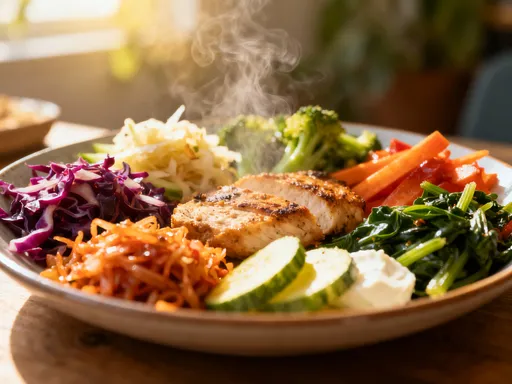
What does a Tai Chi-friendly plate look like? It’s not about strict rules or counting calories. Instead, it’s about balance, variety, and intention. Imagine a plate filled with color: deep greens from leafy vegetables, vibrant reds and purples from berries and peppers, golden hues from sweet potatoes and squash, and earthy browns from whole grains and legumes. This visual diversity isn’t just pleasing to the eye—it’s a sign of nutrient diversity, which is key to sustained energy and resilience.
Aim to fill half your plate with vegetables and fruits, one-quarter with lean protein, and one-quarter with whole grains or starchy vegetables. This simple framework ensures you’re getting fiber, vitamins, and minerals with every meal. For breakfast, try a bowl of oatmeal topped with sliced banana, ground flaxseed, and a handful of walnuts. At lunch, enjoy a large salad with mixed greens, grilled chicken or chickpeas, avocado, cherry tomatoes, and a dressing made from olive oil and lemon juice. Dinner might include baked salmon, roasted Brussels sprouts, and a small portion of quinoa.
Plant-based options are excellent choices for Tai Chi practitioners. Beans, lentils, tofu, and tempeh provide high-quality protein without the saturated fat found in some animal products. They’re also rich in fiber, which supports gut health and stable blood sugar. For snacks, focus on whole foods: a piece of fruit with nut butter, raw vegetables with hummus, or a small handful of unsalted nuts. These choices provide sustained energy without the crash associated with processed bars or sugary treats.
Mindful eating is just as important as what you eat. Tai Chi teaches us to move with awareness—why not apply that same awareness to meals? Slow down, chew thoroughly, and notice the flavors and textures of your food. This practice not only improves digestion but also helps prevent overeating. When you eat with intention, you’re more likely to recognize when you’re full, and less likely to reach for food out of habit or stress. This alignment between movement and eating creates a deeper sense of harmony in daily life.
Common Diet Mistakes That Break the Balance
Even with the best intentions, it’s easy to fall into dietary patterns that undermine Tai Chi practice. One of the most common mistakes is skipping meals, especially breakfast. Some people believe that eating less will help with weight management, but this often backfires. Going too long without food can lead to low blood sugar, which causes fatigue, irritability, and poor concentration—making it harder to focus during practice. Instead of skipping meals, aim for regular, balanced eating throughout the day to keep energy steady.
Another pitfall is overemphasizing protein. While protein is important, consuming excessive amounts—especially from processed sources like protein bars or shakes—can strain the kidneys and lead to dehydration. More protein isn’t always better, particularly for a practice that values balance over intensity. A moderate intake from whole food sources is sufficient and more sustainable.
Relying on 'health' bars and packaged snacks is another trap. Many of these products are marketed as nutritious, but they often contain high levels of added sugar, artificial ingredients, and unhealthy fats. A bar labeled 'gluten-free' or 'high-protein' isn’t automatically healthy. Always read the ingredient list: if sugar is one of the first three ingredients, it’s likely not the best choice. Instead, opt for whole food snacks that you prepare yourself, where you control the ingredients.
Finally, some people turn to extreme diets—like very low-carb or juice cleanses—in search of quick results. These approaches may lead to short-term changes, but they’re rarely sustainable and can leave the body depleted. Tai Chi is about long-term harmony, not quick fixes. A balanced, flexible approach to eating—one that includes a variety of whole foods and allows for occasional treats—is far more effective in supporting lasting vitality.
Putting It All Together: A Weekly Rhythm of Movement and Meals
The most powerful changes happen not through perfection, but through consistency. You don’t need to overhaul your diet overnight or practice Tai Chi for hours every day. Instead, aim for a realistic, sustainable rhythm that fits your life. Start by planning a few Tai Chi sessions each week—perhaps in the morning to set a calm tone for the day, or in the evening to release tension. Pair these sessions with simple, nourishing meals that support your energy and recovery.
Meal planning can help reduce decision fatigue. On weekends, prepare a batch of quinoa or brown rice, roast a tray of vegetables, and cook a pot of lentils or beans. These staples can be mixed and matched throughout the week for quick, balanced meals. Keep cut vegetables and fruit in the fridge for easy snacks. Having healthy options readily available makes it easier to stay on track, even on busy days.
When life gets hectic, don’t abandon your routine—adapt it. If you can’t practice a full 30-minute form, do a 10-minute sequence in your living room. If you’re eating out, choose grilled fish or a vegetable stir-fry with brown rice instead of fried options. Small choices, made consistently, create lasting change.
Tai Chi, when paired with mindful eating, becomes more than a physical practice—it becomes a way of living. It teaches us to move with grace, breathe with intention, and nourish ourselves with care. The strength you gain isn’t just in your muscles or balance, but in your resilience, clarity, and sense of well-being. This isn’t about achieving perfection, but about creating a life that feels steady, strong, and deeply aligned. When food and flow move together, you don’t just feel better—you live better.