How I Stopped Feeling Drained Every Afternoon — Real Energy Management Through Movement
We’ve all been there—slumped at the desk by 3 p.m., craving sugar, struggling to focus. I used to think low energy was just part of adult life—until I realized my body wasn’t broken, it was bored. Movement, not more coffee, became my game-changer. This isn’t about intense workouts or extreme routines. It’s about smart, science-backed motion that fuels your day. Let me show you how small, intentional moves rewire your energy—naturally, sustainably, and without burnout.
The Hidden Link Between Movement and Energy
Many people believe that physical activity depletes energy, especially when already feeling tired. This idea is deeply rooted in daily habits—when fatigue hits, the instinct is to sit, rest, or reach for caffeine. Yet decades of research consistently show the opposite: movement increases available energy. The human body is designed to move, and when it does, even in small ways, it becomes more efficient at producing and distributing energy. At the cellular level, physical activity stimulates mitochondria—the powerhouses of cells—to work more effectively. These tiny structures convert nutrients into usable energy, and regular movement improves their density and responsiveness. More mitochondria mean greater energy capacity, not exhaustion.
Beyond the cellular level, movement enhances oxygen delivery throughout the body. When muscles contract during activity, they signal the heart and lungs to increase circulation and respiration. This improved blood flow carries more oxygen to the brain, which directly supports mental clarity and alertness. Studies have shown that just five minutes of light movement can increase cerebral blood flow by up to 15%, leading to sharper focus and reduced brain fog. Additionally, movement triggers the release of neurotransmitters like dopamine, serotonin, and norepinephrine—chemicals that regulate mood, motivation, and attention. These changes happen quickly, often within minutes of starting to move, making physical activity one of the fastest and most accessible tools for boosting daytime energy.
The misconception that exercise drains energy likely comes from experiences with overexertion or poorly timed activity. A long, intense workout at the end of a stressful day may leave someone feeling wiped out—but this is not the same as moderate, intentional movement spread throughout the day. The key difference lies in duration, intensity, and consistency. Short bursts of motion, especially when aligned with natural energy dips, do not deplete resources; they optimize them. Over time, individuals who adopt this approach often report not only higher energy levels but also improved sleep quality and reduced feelings of stress. The body learns to expect and benefit from regular movement, creating a positive feedback loop that supports long-term vitality.
Why Sitting Is the Real Energy Killer
Sedentary behavior is one of the most underestimated contributors to afternoon fatigue. When someone sits for more than 30 minutes without interruption, metabolic activity begins to slow significantly. The body’s ability to process glucose decreases by as much as 90% compared to standing or moving, leading to blood sugar fluctuations that contribute to mental sluggishness and cravings. This metabolic slowdown affects not only energy levels but also cardiovascular health and insulin sensitivity over time. For many office workers, the post-lunch slump is not caused by the meal itself but by the prolonged inactivity that follows it. The combination of sitting and digesting creates a perfect storm for fatigue, making it harder to concentrate and increasing the urge to consume sugary snacks for a quick boost.
From a physiological standpoint, sitting reduces muscle engagement, especially in the legs and core—areas responsible for pumping blood back to the heart. Without this muscular activity, circulation slows, and oxygen delivery to the brain diminishes. This reduction in cerebral oxygen contributes to what researchers call “mental fatigue,” characterized by difficulty concentrating, slower reaction times, and reduced problem-solving ability. In real-life settings, this often manifests as an inability to complete tasks efficiently in the late afternoon, despite having started the day with full intention. The irony is that the very act of remaining still to “conserve energy” actually accelerates fatigue instead of preventing it.
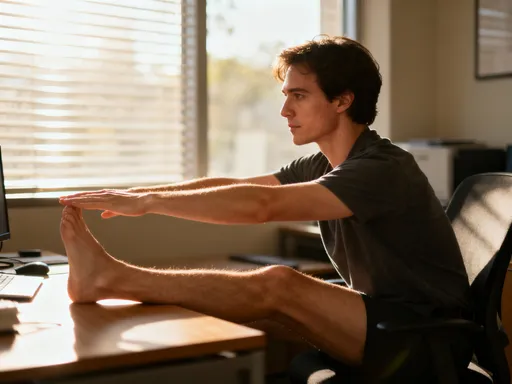
One common scenario illustrates this clearly: a mid-level manager finishes a busy morning of meetings, eats lunch at her desk while answering emails, and then settles into a report due by end-of-day. By 2:30 p.m., she feels foggy, irritable, and physically heavy. She reaches for a soda or chocolate bar, hoping for a lift. Within 30 minutes, the sugar rush fades, and she feels even more drained. This cycle repeats daily. What she doesn’t realize is that her body isn’t asking for more calories—it’s asking for movement. Just two minutes of standing, stretching, or walking could reset her circulation, stabilize her blood sugar, and restore mental clarity. Breaking up sitting time with brief activity has been shown in clinical studies to improve cognitive performance and reduce self-reported fatigue by up to 40%.
My Wake-Up Routine That Actually Works
For years, I struggled with morning grogginess. Even after eight hours of sleep, I would wake up feeling heavy, disoriented, and slow to engage with the day. My old routine involved hitting snooze multiple times, stumbling to the coffee maker, and scrolling through my phone while waiting for caffeine to kick in. It wasn’t until I replaced this passive start with a simple 7-minute movement sequence that I noticed a dramatic shift. This routine requires no equipment, no special clothing, and no gym membership—just enough space to stand and stretch. It’s designed to gently awaken the body’s systems, increase circulation, and signal the brain that it’s time to be alert.
The routine begins with three minutes of dynamic stretching: arm circles, torso twists, and leg swings. Unlike static stretches, which involve holding a position, dynamic movements actively engage muscles through a full range of motion. This type of stretching increases blood flow, raises core temperature, and activates the nervous system—preparing the body for movement without strain. Next comes two minutes of deep breathing combined with gentle squats and calf raises. These movements stimulate the diaphragm, improve lung capacity, and encourage venous return—the process by which blood flows back to the heart. The final two minutes are dedicated to posture reset exercises: shoulder rolls, chin tucks, and wall angels. These help counteract the forward-hunch posture many develop from sleeping or using devices, promoting better spinal alignment and easier breathing.
Within one week of consistent practice, I noticed I was waking up more easily, feeling more present by 8 a.m., and needing less coffee to function. The change wasn’t due to increased fitness—it was due to improved physiological readiness. My body was no longer starting the day in a state of inertia. Instead, it was gently primed for activity, focus, and resilience. Others who have adopted similar routines report feeling more energized, less anxious, and better able to handle morning responsibilities. The key to success lies in consistency and timing: doing the routine within 15 minutes of waking, before checking devices or consuming caffeine, allows the body to lead the day rather than react to it.
The Power of Micro-Movements During the Day
Micro-movements are small, intentional physical actions that can be done anywhere, anytime, without disrupting workflow. These include standing up every 60 to 90 minutes, performing wall squats, doing seated shoulder rolls, or taking a few minutes to march in place. Though they may seem insignificant, their cumulative effect on energy levels is profound. Research shows that incorporating micro-movements into daily routines can reduce fatigue, improve circulation, and enhance mental performance. The concept is not about replacing structured exercise but about integrating motion into sedentary periods to maintain metabolic and cognitive function.
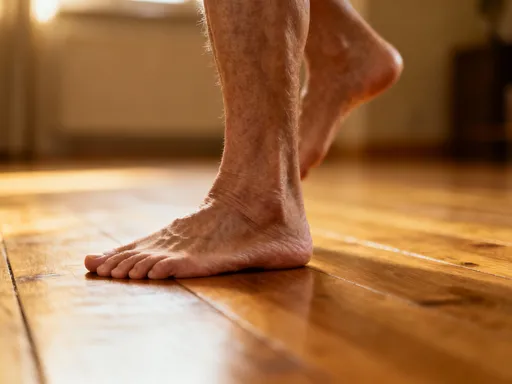
One of the most effective micro-movements is the standing calf raise—simply rising onto the toes and lowering back down. This action engages the calf muscles, often called the “second heart” because of their role in pumping blood back to the torso. When performed regularly, even in sets of 10 to 15 repetitions, calf raises help prevent blood from pooling in the lower extremities, a common cause of afternoon heaviness and lightheadedness. Similarly, shoulder rolls and neck stretches counteract the tension that builds up from prolonged sitting and screen use. These movements relieve muscular strain, improve joint mobility, and send signals to the brain that reduce stress-related fatigue.
Another powerful example is the wall squat—a modified squat performed with the back against a wall and knees bent at 90 degrees. Holding this position for 30 to 60 seconds activates large muscle groups in the legs and core, increasing heart rate slightly and boosting circulation. Doing one or two wall squats every few hours can prevent the metabolic slowdown associated with sitting. The beauty of micro-movements lies in their accessibility. They require no special skills, can be done in work clothes, and take less than three minutes each. Over the course of a day, these brief activities add up to significant physiological benefits, including better glucose regulation, reduced inflammation, and improved mood. For busy individuals, especially those managing household and work responsibilities, micro-movements offer a realistic, sustainable way to stay energized without adding time pressure.
Walking with Purpose: Not Just Steps, But Strategy
Walking is one of the most underrated tools for energy management. While many people focus on step counts or weekend exercise, the real benefit comes from short, purposeful walks integrated into the daily rhythm. A 10-minute walk after lunch, for example, does more than burn calories—it stabilizes blood sugar, enhances digestion, and clears mental fog. Unlike long, infrequent workouts, these brief walks align with the body’s natural energy cycles and provide immediate cognitive and emotional benefits. The key is not distance or speed, but consistency and timing.
One of the most powerful aspects of walking is its impact on brain function. When movement is combined with exposure to natural light—especially morning or midday sunlight—the body regulates melatonin and cortisol more effectively, leading to improved alertness and sleep quality. Sunlight also stimulates vitamin D production, which plays a role in mood regulation and immune function. Even on cloudy days, outdoor light is significantly brighter than indoor lighting, making a short walk outside more effective than treadmill walking indoors. For those unable to go outside, walking near a window or under bright artificial light can still offer benefits, though not to the same extent.
I personally replaced my afternoon coffee with a 10-minute “walk-and-think” habit. Instead of reaching for caffeine at 3 p.m., I step outside, leave my phone behind, and walk around the block while reflecting on the day’s priorities. This simple shift has transformed my afternoons. I return feeling more focused, less tense, and naturally alert—without the jitteriness or crash associated with caffeine. Others have reported similar results, noting that walking provides space for creative thinking and emotional reset. The rhythmic nature of walking calms the nervous system, reduces stress hormones, and enhances mental clarity. When done regularly, purposeful walking becomes a cornerstone of sustainable energy, replacing reliance on stimulants with a natural, self-generated boost.
Strength Without Sweat: Light Resistance for Long-Lasting Energy
When people think of strength training, they often imagine heavy weights, intense workouts, and sweat-drenched sessions. But building strength for energy doesn’t require any of that. Light resistance—using resistance bands, bodyweight, or household objects—can significantly improve stamina, posture, and metabolic health with minimal time investment. Just 5 to 10 minutes, three times a day, is enough to stimulate muscle engagement, enhance circulation, and support blood sugar stability. The goal is not muscle size or athletic performance, but functional strength that supports daily energy and resilience.
Muscle tissue is metabolically active, meaning it burns calories even at rest. When muscles are engaged regularly, they become more efficient at taking up glucose from the bloodstream, reducing insulin spikes and crashes. This is especially important for preventing afternoon fatigue linked to poor glucose control. Simple exercises like seated rows with a resistance band, wall push-ups, or standing bicep curls with water bottles activate major muscle groups without strain. These movements also improve posture by strengthening the back, shoulders, and core—areas often weakened by prolonged sitting. Better posture leads to easier breathing, reduced neck and back pain, and a more confident, alert presence.
One of the most overlooked benefits of light resistance is its effect on energy endurance. Stronger muscles fatigue more slowly, allowing individuals to stay active and focused throughout the day. For example, doing two minutes of resistance band rows in the morning, afternoon, and evening can improve upper body strength over time while boosting circulation and mental alertness in the moment. Because these exercises are low-impact and easy to modify, they are accessible to people of all fitness levels, including those with joint concerns or limited mobility. The key is regularity, not intensity. By making light resistance a daily habit, individuals create a foundation for sustained energy that supports both physical and mental well-being.
Building Your Personal Energy-Boosting Movement Plan
Creating a sustainable movement plan starts with understanding your daily rhythm. Everyone has natural energy peaks and dips—some feel most alert in the morning, others in the late afternoon. By observing these patterns, you can align movement with times when it will have the greatest impact. For instance, if you typically feel sluggish after lunch, scheduling a 10-minute walk or a set of micro-movements at that time can prevent the crash before it starts. The goal is not to follow a rigid schedule but to design a flexible routine that fits your lifestyle and supports your energy needs.
Tracking progress should focus on how you feel, not how much you do. Instead of counting reps or minutes, pay attention to changes in focus, mood, and fatigue levels. Are you able to concentrate better in the afternoon? Do you feel less reliant on caffeine? Are you sleeping more soundly? These are more meaningful indicators of success than fitness metrics. Journaling or using a simple checklist can help identify patterns and reinforce positive changes. Over time, small improvements accumulate into significant gains in daily vitality.
Consistency is far more important than intensity. A five-minute walk every day is more beneficial than a two-hour workout once a week. The body responds best to regular, predictable input. To build lasting habits, start small and gradually increase duration or frequency. Pairing movement with existing routines—like walking after meals or doing shoulder rolls during TV commercials—can make it easier to remember and maintain. Support from family or friends can also help, especially when shared activities like evening strolls become part of the household rhythm. The ultimate goal is not to achieve fitness perfection but to live with greater presence, energy, and ease.
Energy isn’t something you chase with stimulants or crash through with exhaustion. It’s something you cultivate—through movement that respects your body’s rhythms. This approach isn’t about fitness goals; it’s about functional vitality. By integrating simple, intentional motion into your day, you’re not just staying active—you’re staying alive to your life. The most powerful energy upgrade isn’t found in a pill or a power nap. It’s in the next small move you choose to make.