How I Moved Through Pregnancy Without Losing Myself
Pregnancy changes everything—your body, your energy, even how you move. I used to worry exercise might harm my baby, so I stopped completely. Big mistake. By mid-pregnancy, I felt sluggish, achy, and disconnected from my body. That’s when my doctor gently reminded me: movement isn’t dangerous—it’s medicine. With professional guidance, I rediscovered safe, joyful ways to stay active. This is how I stayed strong, calm, and grounded throughout my pregnancy, one mindful step at a time.
The Hidden Cost of Stillness During Pregnancy
Many women believe that rest during pregnancy means complete stillness. The idea is rooted in care and caution—after all, you are carrying new life, and the instinct to protect is powerful. But what many don’t realize is that prolonged inactivity can come with its own risks. When movement fades, so can energy, circulation, and emotional balance. The body is designed to move, and pregnancy is no exception. In fact, without gentle physical stimulation, common discomforts like swelling in the legs, constipation, and low mood can intensify. These are not signs of weakness—they are signals from the body asking for motion.
Medical professionals increasingly recognize that too much bed rest, unless medically necessary, can lead to muscle weakness, joint stiffness, and even reduced oxygen flow to the placenta. When muscles weaken, the body works harder to support the growing uterus, often resulting in lower back pain and pelvic discomfort. Meanwhile, sluggish circulation increases the risk of blood pooling in the legs, which may contribute to varicose veins or, in rare cases, deep vein thrombosis. These are not inevitable parts of pregnancy—they are often preventable with consistent, low-impact movement.
Emotionally, the cost of stillness can be just as significant. When physical activity stops, so can the release of endorphins—natural brain chemicals that help regulate mood. This can leave expectant mothers more vulnerable to anxiety and fatigue. The sense of being disconnected from one’s body, once so familiar and responsive, can feel isolating. Rather than preserving energy, inactivity can drain it. The truth is, rest does not have to mean stillness. True rest includes recovery, but it also includes movement that nourishes both body and mind.
Why Movement Matters: The Science Behind Prenatal Activity
Modern research supports what many women instinctively feel—movement during pregnancy is not just safe, it’s beneficial. The human body responds to physical activity with improved circulation, balanced hormones, and stronger musculoskeletal support—all of which play a vital role during gestation. When a pregnant woman engages in regular, gentle exercise, her cardiovascular system becomes more efficient. Blood flows more freely to the placenta, delivering oxygen and nutrients to the developing baby. At the same time, waste products are removed more effectively, contributing to overall fetal well-being.
One of the most significant benefits of prenatal movement is its effect on the pelvic floor and core stability. As the uterus expands, the center of gravity shifts forward, placing extra strain on the lower back and pelvis. Targeted exercises like pelvic tilts and modified squats help realign posture and strengthen the muscles that support the growing belly. This doesn’t just reduce pain—it can also influence how the baby settles into position. Babies tend to move more freely in a body that is balanced and relaxed, increasing the chances of optimal fetal positioning for birth.
Hormonal regulation is another key advantage. Physical activity helps moderate insulin levels, reducing the risk of gestational diabetes. It also supports the balance of cortisol, the stress hormone, which, when elevated, can affect both maternal and fetal health. Women who stay active often report better sleep, fewer episodes of heartburn, and reduced swelling in the extremities. These improvements are not the result of intense workouts, but of consistent, mindful movement that respects the body’s changing needs.
Perhaps most importantly, movement prepares the body for labor. The endurance built through regular walking or water-based exercise can make contractions easier to manage. The pelvic mobility gained from daily stretches may reduce the need for interventions during delivery. None of this requires marathon training—just a commitment to staying connected to your body through simple, sustainable actions.
Clearing Myths: What Really Is Safe When You’re Expecting?
Fear is a powerful force, especially during pregnancy. Many women avoid movement because they’ve heard warnings—some based on outdated advice—that certain activities could harm the baby. One common myth is that bouncing or jumping might jostle the fetus. In reality, the baby is well-protected by amniotic fluid, strong uterine muscles, and layers of tissue. Gentle impact, such as that from walking or low-impact aerobics, is generally safe for healthy pregnancies. The key is moderation and listening to your body’s feedback.
Another widespread concern is lifting. Some believe that lifting even light objects can cause miscarriage or strain. However, medical guidelines indicate that lifting, when done with proper form—bending at the knees, keeping the back straight—is not inherently dangerous. What matters is avoiding sudden, jerky motions or lifting heavy weights overhead. Everyday tasks like carrying groceries or picking up a toddler can continue with awareness and support.
There are, of course, activities that should be avoided. High-risk sports like skiing, horseback riding, or contact sports carry a greater chance of falls or abdominal trauma and are generally discouraged. Similarly, exercises that involve lying flat on the back after the first trimester can compress the vena cava, reducing blood flow, and should be modified. Hot yoga or prolonged exposure to high heat should also be avoided due to the risk of overheating, which can affect fetal development.
The best approach is one of informed caution. Every pregnancy is different, and what is safe for one woman may not be for another. That’s why consultation with a healthcare provider is essential. Prenatal exercise is not about pushing limits—it’s about maintaining strength, flexibility, and peace of mind in a way that aligns with medical guidance and personal comfort.
My Go-To Routine: Simple Moves That Actually Worked
When I restarted movement, I began small—just ten minutes of walking each morning. I chose quiet neighborhood streets, where I could focus on my breath and the rhythm of my steps. As my confidence grew, I added structured exercises that felt supportive rather than strenuous. One of the most effective was the modified squat. I stood with my feet shoulder-width apart, lowered slowly as if sitting into a chair, and used the kitchen counter for balance. I did three sets of ten, twice a day. This simple movement strengthened my glutes and thighs, which helped support my pelvis as my belly grew.
Pelvic tilts became a daily ritual. I did them on my hands and knees or standing against a wall. Inhaling to relax the spine, then exhaling while gently tucking the pelvis under—this motion relieved lower back pressure and improved my posture. I practiced them during commercial breaks or while waiting for the kettle to boil. Over time, I noticed less stiffness and greater ease when standing for long periods.
Water-based movement was another game-changer. I joined a prenatal aqua class at my local community center. The buoyancy of the water lifted the weight off my joints, making it easier to move freely. We did gentle resistance exercises with foam dumbbells, walked laps in the shallow end, and practiced deep breathing while floating. The combination of physical support and social connection made these sessions something I looked forward to each week.
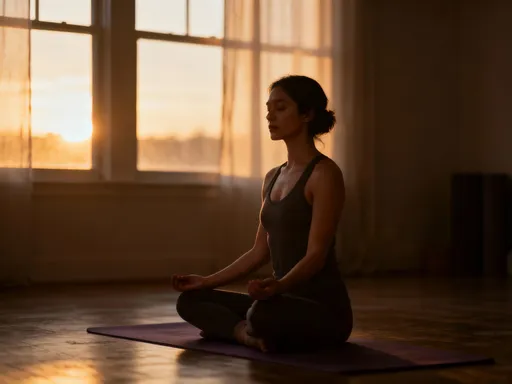
I also incorporated daily stretching. A five-minute routine before bed included seated forward bends, shoulder rolls, and ankle circles. These weren’t intense—they were invitations to reconnect with my body. I used a yoga mat and a small pillow for support, never pushing into discomfort. The consistency mattered more than the intensity. Over time, these small actions added up, helping me feel more agile, less stiff, and more in tune with my changing shape.
Listening to Your Body: The #1 Skill Every Pregnant Woman Needs
One of the most important lessons I learned was not a specific exercise, but a mindset: tuning in. Pregnancy brings constant shifts—hormonal surges, shifting weight, fluctuating energy. What felt good one week might feel strained the next. Learning to listen became my most valuable tool. I stopped measuring progress by reps or duration and started paying attention to how I felt during and after movement. Was I breathing easily? Did my heart rate stay steady? Were there any sharp pains or pressure in the pelvic area?
Fatigue was a common signal. If I felt unusually tired, I replaced structured exercise with a slow walk or restorative stretching. Dizziness or shortness of breath meant I needed to pause, sit down, and rehydrate. Pelvic pressure—especially a deep, pulling sensation—was my cue to avoid certain movements like deep lunges or prolonged standing. These weren’t setbacks; they were information. The body speaks, and pregnancy amplifies its voice.
I also learned to honor rest. There were days when my energy dipped, and that was okay. I practiced self-compassion, reminding myself that rest is part of the process. Movement doesn’t have to happen every day to be beneficial. What matters is consistency over time, not perfection. I used rest days to practice mindfulness or gentle breathing exercises, which also supported my nervous system and prepared me for labor.
This intuitive approach helped me avoid injury and maintain a positive relationship with my body. Instead of striving to meet external expectations, I focused on internal cues. Over time, this deepened my confidence—not just in my physical abilities, but in my capacity to care for myself and my baby with wisdom and patience.
Building Support: Partners, Classes, and Mindset Shifts
Staying active wasn’t something I did alone. My partner began joining me on evening walks, and those quiet strolls became moments of connection and conversation. He didn’t need to be an expert—just present. His encouragement, even a simple “You’ve got this,” made a difference. We turned movement into shared time, not just a task to check off.
Joining a prenatal exercise class also helped. Being around other women going through similar changes reduced feelings of isolation. We shared tips, laughed about swollen feet, and celebrated small milestones. The instructor was trained in prenatal fitness, so I felt safe following along. The structure of the class removed the guesswork, and the group energy kept me motivated even on low days.
Mindset played a crucial role too. I had to let go of the idea that exercise had to look a certain way. It wasn’t about burning calories or maintaining a pre-pregnancy physique. It was about feeling strong, staying mobile, and nurturing resilience. I stopped comparing myself to others and focused on what served me. Celebrating small wins—like completing a full week of daily walks—helped build momentum. Over time, movement became less of a chore and more of a daily act of care.
Consistency, not intensity, became my guiding principle. Ten minutes a day was better than an hour once a week. A slow walk counted as much as a structured workout. By lowering the bar and removing pressure, I made movement sustainable. And sustainability is what leads to real change.
Beyond Birth: How Movement Laid the Foundation for Recovery
The benefits of staying active didn’t end at delivery—they extended into the postpartum period. After giving birth, I noticed that my body responded more quickly to recovery. I had maintained core engagement and pelvic awareness, which helped with early mobility. Simple actions like getting out of bed or lifting the baby felt more manageable. I didn’t “bounce back”—that phrase sets unrealistic expectations—but I did feel stronger, both physically and mentally.
My recovery wasn’t fast, but it was steady. The endurance I had built through walking helped me cope with sleepless nights. The breathing techniques I practiced during prenatal classes supported me during early breastfeeding challenges. And because I had stayed connected to my body, I was more attuned to its signals during healing. I knew when to rest and when to gently stretch, when to seek help and when to trust the process.
Perhaps most meaningful was the sense of continuity. Pregnancy hadn’t been a pause in my life—it had been a transformation I moved through with intention. The habits I built didn’t disappear after birth; they evolved. I continued walking with the stroller, doing pelvic floor exercises during naps, and stretching when my back ached. These weren’t just recovery tools—they were part of a lasting commitment to self-care.
Looking back, I see that movement was never about aesthetics or performance. It was about presence. It was about showing up for myself, day after day, in a way that honored my changing body. That quiet consistency became a form of strength—one that carried me through pregnancy and into motherhood with greater resilience and peace.
Pregnancy isn’t a condition to endure—it’s a chapter to live through with strength and awareness. Movement, when guided by care and common sense, becomes a quiet act of self-respect. By staying active in ways that honored my changing body, I didn’t just survive those nine months—I grew stronger within them.