Beyond the Beagle Channel: A Deep Dive into Punta Arenas’ Wild Soul
Tucked at the southern edge of the world, Punta Arenas isn’t just a pit stop before Patagonia—it’s a gateway to raw, untamed adventure. I came for the penguins, stayed for the wind-whipped hikes and whale-filled channels. This city thrives on experience: think glacier kayaking, sheep-herding estancias, and navigating foggy fjords where few travelers go. If you’re chasing authenticity over comfort, Punta Arenas delivers in ways you never expected. More than a transit point, it’s a destination that rewards curiosity, resilience, and a deep appreciation for nature’s unfiltered beauty. Here, every gust of wind carries stories of explorers, settlers, and wildlife that have learned to thrive where few others dare.
Arrival in the Edge of the World
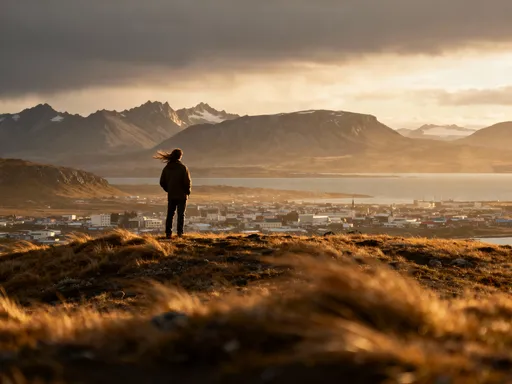
Punta Arenas greets visitors with a sense of arrival at the end of the map. Located on the Brunswick Peninsula in southern Chilean Patagonia, it stands as one of the southernmost cities in the world, facing the restless waters of the Strait of Magellan. The first thing travelers notice is the wind—constant, bracing, and unrelenting. It shapes not only the weather but the character of the place. Buildings are low and sturdy, painted in muted blues, grays, and reds, designed to withstand the elements. The city’s layout reflects its 19th-century origins, when it flourished as a key port during the sheep farming boom and the era of transcontinental maritime trade.
Founded in 1848, Punta Arenas served as a critical resupply point for ships navigating the treacherous waters around Cape Horn. Today, that legacy lives on in its museums, historic homes, and the pride locals take in their city’s resilience. Despite its remote location—over 2,000 miles south of Santiago—Punta Arenas is well-connected, with an international airport and regular ferry services. It has become a logistical hub for Antarctic expeditions, scientific research missions, and adventurers bound for Torres del Paine National Park or Ushuaia, Argentina.
The landscape surrounding the city is stark and breathtaking. Rolling tundra stretches toward distant mountain ranges, while the strait glimmers under shifting light. Even within the city limits, nature asserts itself: birds of prey circle overhead, and in winter, the horizon often blurs into fog. This isolation fosters a close-knit community, where neighbors rely on one another and hospitality is deeply rooted. Visitors quickly sense that Punta Arenas is not a place that caters to mass tourism—it reveals its treasures slowly, to those willing to embrace its rhythms.
Wildlife Encounters: Penguins, Guanacos, and Beyond
One of the most compelling reasons to visit Punta Arenas is its proximity to extraordinary wildlife. Just a short boat ride away lies Isla Magdalena, home to one of the largest Magellanic penguin colonies in the world. Between October and March, over 120,000 penguins return to this windswept island to nest, mate, and raise their chicks. Boarding a small vessel from the port, travelers glide across the choppy strait, often accompanied by playful dolphins or the distant spout of a southern right whale.
The journey to Isla Magdalena is carefully regulated to protect the fragile ecosystem. Visitors follow marked paths, maintaining a respectful distance from the birds. Watching penguins waddle across the rocky terrain, tending to their burrows or squabbling over pebbles, is a delight for all ages. The experience is both intimate and humbling—these birds have thrived here for millennia, long before humans arrived. Local guides share insights into penguin behavior, migration patterns, and conservation efforts, enhancing the educational value of the trip.
Beyond penguins, the region teems with other wildlife. On the outskirts of Punta Arenas, it’s common to spot guanacos—slender, camel-like animals that roam the open plains in small herds. Unlike their domesticated cousins, the llama, guanacos remain wild and cautious, but they often pause to observe passing vehicles with quiet curiosity. Their presence is a reminder that Patagonia is still a land shaped by nature, not human design.
Other species frequent the area as well. Andean condors soar above the cliffs, their massive wingspans catching thermal currents. Along the coast, southern sea lions bark from rocky outcrops, while kelp geese and Chilean flamingos dot the wetlands. For birdwatchers and nature lovers, the region offers unparalleled opportunities. Ethical wildlife viewing is emphasized throughout—tour operators follow strict guidelines to minimize disturbance, ensuring that these encounters remain sustainable for future generations.
Sailing the Fjords: A Journey Through Southern Waterways
To truly understand the soul of southern Patagonia, one must take to the water. Cruising through the fjords and channels around Punta Arenas offers a perspective impossible to gain from land. Expedition-style vessels, typically carrying 20 to 50 passengers, depart regularly for multi-day journeys into the labyrinth of glacial inlets, narrow passages, and secluded bays that define this part of the continent.
The Strait of Magellan, once a vital maritime route, remains a place of historical and natural significance. As the boat cuts through the gray-blue waters, passengers witness the dramatic interplay of land and sea. Towering cliffs rise from the shoreline, cloaked in wind-sculpted vegetation. Glaciers calve in the distance, sending icebergs drifting into the channels. The silence between engine cuts is profound—broken only by the cry of gulls or the crack of falling ice.
One of the most memorable routes follows the Beagle Channel eastward toward Cape Horn. Though the full journey is lengthy, even shorter excursions offer a taste of this wild maritime world. Stops may include tiny islands where cormorants nest, or secluded coves where Zodiacs launch for closer exploration. Some trips include visits to small settlements or research stations, providing a glimpse into life at the edge of civilization.
These voyages are not merely scenic—they are deeply informative. Onboard naturalists and historians explain the region’s complex geology, the impact of climate change on glaciers, and the stories of early explorers like Ferdinand Magellan and Charles Darwin, who both sailed these waters. The combination of education and immersion makes fjord sailing one of the most enriching experiences available from Punta Arenas. It’s a chance to disconnect from the modern world and reconnect with the raw power of nature.
Land Adventures: Hiking and Horseback Riding in Patagonian Terrain
While the waterways captivate, the land around Punta Arenas offers equally compelling adventures. Hiking trails wind through diverse landscapes, from coastal bluffs to windswept hillsides. One of the most accessible and rewarding routes is the ascent of Cerro de la Cruz, a modest peak just outside the city. The trail begins gently but gains elevation quickly, offering panoramic views of Punta Arenas, the strait, and the surrounding plains. On clear days, the Andes shimmer in the distance.
The terrain is rugged and often exposed, with little shelter from the wind. Hikers must be prepared for sudden weather changes—sunshine can give way to rain or sleet within minutes. Yet the rewards are immense. The sense of solitude, the sweeping vistas, and the physical challenge create a deeply satisfying experience. Local tour companies offer guided hikes with experienced leaders who carry emergency gear and share knowledge about local flora and fauna, including hardy shrubs like calafate and the elusive fox that prowls the hills at dusk.
For a more immersive experience, visitors can travel to nearby estancias—historic sheep ranches that have operated for generations. These working farms offer horseback riding excursions across vast tracts of Patagonian steppe. Riding here is not for beginners; the terrain is uneven, the wind strong, and the distances long. But for those with some experience, it’s an unforgettable way to connect with the region’s pastoral heritage.
At the estancias, guests may also enjoy traditional meals cooked over open fires, learn about shearing and lamb herding, and stay in rustic but comfortable lodgings. The lifestyle is simple, rooted in self-reliance and respect for the land. These visits provide a rare window into a way of life that has changed little over the past century. Tour operators based in Punta Arenas can arrange full-day or multi-day trips, ensuring safety and comfort without sacrificing authenticity.
Cultural Immersion: Life in a Southernmost City
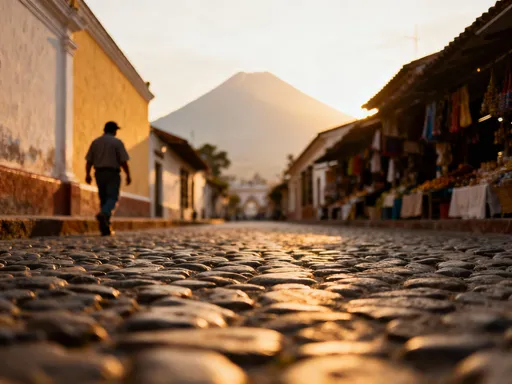
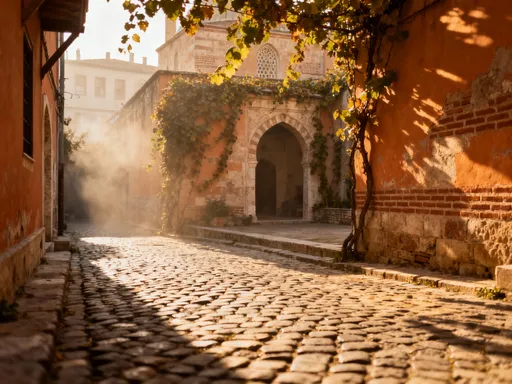
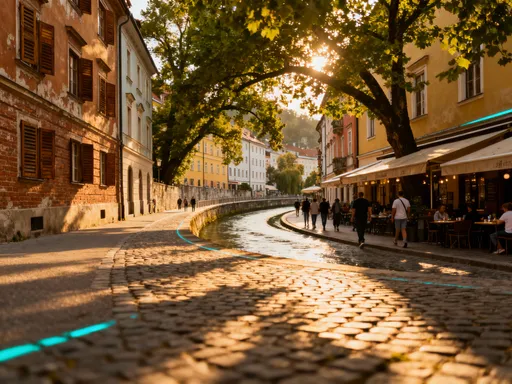
Beyond its natural wonders, Punta Arenas offers a rich cultural experience shaped by isolation, history, and resilience. The city center is compact and walkable, with cobblestone streets, ornate ironwork, and 19th-century buildings that reflect its European influences—particularly Croatian, British, and German. The iconic Plaza Muñoz Gamero, anchored by a statue of the city’s founder, is a favorite gathering spot, surrounded by cafes, shops, and the striking Sacred Heart Church with its red-tiled roof and twin spires.
Cultural institutions like the Museo Salesiano Magallánico offer insight into the region’s indigenous past and colonial history. The museum’s collection includes artifacts from the Yaghan and Selk’nam peoples, early maps, and exhibits on missionary work in Tierra del Fuego. Another highlight is the Regional Museum of Magallanes, housed in a beautifully restored mansion that once belonged to a wealthy sheep baron. Its rooms are furnished with period pieces, telling the story of the city’s golden age.
Dining in Punta Arenas is a celebration of Patagonian flavors. Lamb is a staple, often slow-roasted in a fire pit in the traditional *asado* style. Seafood is equally prominent—king crab, mussels, and centolla (a prized local crab) feature on many menus. Family-run restaurants like La Marmita and El Bote serve hearty, home-cooked meals in cozy settings. Coffee shops and bakeries offer warm refuge on chilly days, serving rich hot chocolate and *sopaipillas*, a type of fried dough.
What stands out is the warmth of the people. Despite the harsh climate, residents maintain a strong sense of community. Festivals, such as the annual Magallanes Week in July, bring the city together with parades, music, and traditional dances. Even in everyday interactions—whether at a market stall or a bus stop—locals are often eager to share stories, offer advice, or simply exchange a friendly greeting. This hospitality makes Punta Arenas not just a destination to visit, but a place to feel welcomed.
Preparing for the Extreme: Weather, Gear, and Mindset
Traveling to Punta Arenas requires thoughtful preparation. The region’s weather is famously unpredictable. Even in summer (December to February), temperatures rarely exceed 55°F (13°C), and strong winds are constant. Rain, sleet, and sudden storms can appear with little warning. Winter (June to August) brings colder temperatures, snow, and shorter daylight hours. Travelers must pack accordingly to stay safe and comfortable.
The key is layering. A moisture-wicking base layer, an insulating mid-layer like fleece or down, and a waterproof, windproof outer shell are essential. Thermal socks, gloves, and a warm hat should never be left behind. Footwear is critical—sturdy, waterproof hiking boots with good ankle support are recommended for any outdoor activity. Gaiters can help keep snow and mud out of boots during wet conditions.
Other essentials include polarized sunglasses (to combat glare from snow and water), high-SPF sunscreen (UV exposure is strong even on cloudy days), and a reusable water bottle. A small daypack with snacks, a map, and a fully charged phone is wise for excursions. While most tours provide some gear, bringing your own ensures proper fit and comfort.
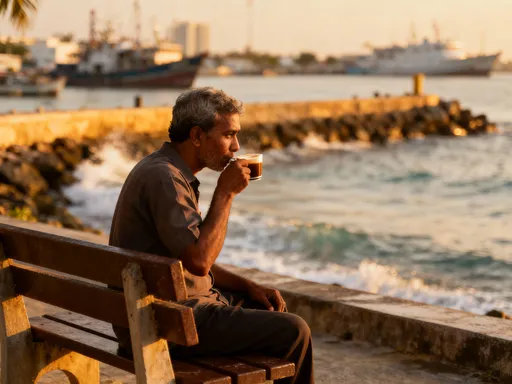
Mindset matters as much as equipment. Flexibility is crucial—boat trips may be delayed, flights canceled, and trails closed due to weather. Rather than resisting these disruptions, embracing them as part of the experience can lead to unexpected joys, like an impromptu visit to a local museum or a quiet afternoon watching the strait from a waterfront bench. Booking tours and accommodations in advance is strongly advised, especially during peak season, as options are limited and fill quickly. With the right preparation, travelers can navigate the challenges and fully appreciate the rewards of this extraordinary region.
From Punta Arenas to the Greater Patagonia: Strategic Travel Connections
Punta Arenas is more than a destination—it’s a gateway to some of the most awe-inspiring landscapes on Earth. For many, it serves as a launchpad for broader adventures across southern South America. Direct flights connect the city to Santiago, Buenos Aires, and seasonal routes to Antarctica. These flights are often the starting point for polar expeditions, with many cruise operators embarking from nearby Ushuaia or boarding in Punta Arenas itself.
Overland travelers can take buses to Torres del Paine National Park, one of Chile’s most iconic natural wonders. The journey takes about four to five hours and traverses pristine wilderness, crossing into the heart of Patagonia. The park offers world-class hiking, including the famed W Trek and O Circuit, with opportunities to see glaciers, turquoise lakes, and towering granite peaks. Booking a guided tour or arranging private transport from Punta Arenas ensures a smooth transition.
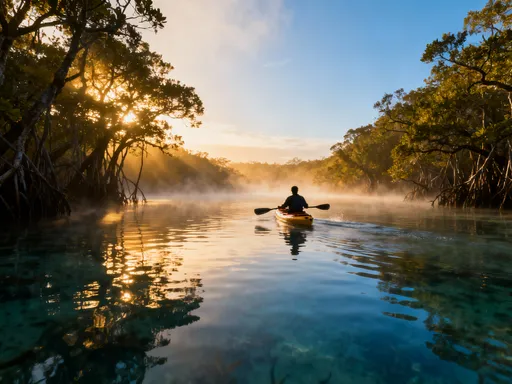
Maritime routes also open up remarkable possibilities. Cruises depart from the region to Cape Horn, the southernmost tip of South America, known for its fierce seas and symbolic significance. Other itineraries explore the remote fjords of Chilean Patagonia, navigating through untouched archipelagos and stopping at small coastal communities. These trips often include kayaking, wildlife viewing, and visits to glaciers accessible only by water.
For those seeking a deeper immersion, combining Punta Arenas with a stay in Argentine Patagonia offers a well-rounded experience. A short ferry ride across the strait leads to Tierra del Fuego National Park, where forested trails meet the sea. The town of Ushuaia, often called the “End of the World,” provides another perspective on life at the southern extreme. Whether extending the journey or returning home, travelers leave with more than photographs—they carry a sense of having touched a part of the planet that remains wild, untamed, and profoundly moving.
Punta Arenas does not dazzle with luxury or convenience. Instead, it inspires with authenticity, resilience, and beauty forged by wind and time. It challenges visitors to slow down, listen to the rhythms of nature, and appreciate the quiet strength of those who call this edge of the world home. In a travel landscape often dominated by curated experiences, Punta Arenas stands apart—a place where adventure is real, wildlife thrives, and every journey leaves a lasting imprint on the soul.