You Won’t Believe What Austin’s City Spaces Hide for Shoppers
Austin isn’t just about live music and food trucks—its urban landscape holds something unexpected: shopping experiences woven right into the city’s soul. From open-air plazas to repurposed warehouses, I was blown away by how seamlessly retail blends with public space. If you think shopping here is just malls and chains, think again. These spots aren’t just places to spend money—they’re where culture, design, and discovery meet. Let me take you through the side of Austin most visitors never see.
The Urban Pulse: Where Shopping Meets City Life
Austin’s transformation from a laid-back state capital to a dynamic urban center has redefined how shopping fits into everyday life. Unlike traditional cities where retail is confined to isolated malls or downtown districts, Austin integrates shopping into the rhythm of the city through mixed-use developments. These spaces combine residences, offices, restaurants, and retail under one connected environment, encouraging walking, lingering, and spontaneous discovery. This shift reflects a broader national trend, but in Austin, it’s infused with local character—less cookie-cutter, more curated charm.
The city’s embrace of walkable urbanism means that shopping is no longer a destination you drive to—it’s part of the journey. Places like The Domain and South Congress Avenue exemplify this evolution. These are not just commercial zones; they are neighborhoods where people live, work, and socialize. Sidewalks are wide, crosswalks are frequent, and public transit options are expanding, making it easy to visit shops without relying on a car. This accessibility enhances convenience while fostering a sense of community, turning routine errands into social outings.
Mixed-use planning also supports economic resilience. When retail is embedded within residential and office spaces, foot traffic remains steady throughout the day and week. Morning joggers stop at coffee kiosks, office workers browse boutiques during lunch, and families explore weekend markets after park visits. This continuous flow keeps businesses vibrant and reduces the ‘dead zone’ effect common in traditional shopping centers after hours. Austin’s city planners have intentionally designed these spaces to be lively at all times, recognizing that a thriving retail scene depends on more than just sales—it thrives on human connection.
Moreover, this model prioritizes local identity over national homogeneity. While national brands are present, they often share space with independent stores that reflect Austin’s creative spirit. Murals adorn building facades, live music spills from outdoor patios, and public art installations invite pause and reflection. The result is a shopping experience that feels authentic rather than generic. In Austin, retail isn’t just about consumption—it’s about immersion in the city’s evolving story.
South Congress: More Than a Street, It’s a Vibe
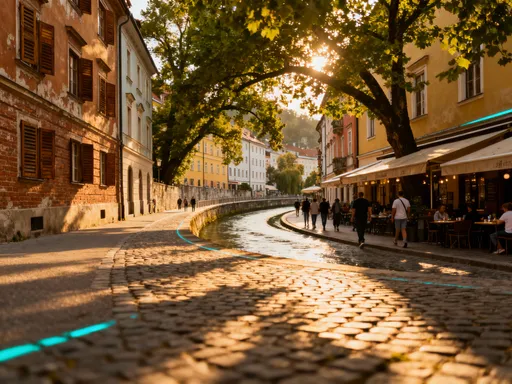
If Austin had a retail heartbeat, it would pulse strongest along South Congress Avenue. Known affectionately as SoCo, this stretch of road runs south from the Colorado River and serves as a living example of how shopping can become an extension of urban culture. What began as a humble commercial corridor has evolved into a destination where fashion, food, art, and community converge. The wide sidewalks, lined with shade trees and dotted with benches, invite strolling rather than rushing—this is not a place for quick in-and-out shopping.
SoCo’s retail mix is as eclectic as the city itself. Boutiques showcase handcrafted jewelry, locally designed apparel, and retro home décor. Vintage stores draw collectors hunting for mid-century treasures or rare concert tees. Bookshops host author readings, while specialty shops offer everything from handmade candles to Texas-themed souvenirs. Each storefront tells a story, often shaped by the personality of its owner. There’s no central management dictating aesthetics—instead, a patchwork of individuality creates visual and emotional richness.
What truly sets South Congress apart is how city design amplifies the shopping experience. Street art transforms blank walls into rotating galleries. Café seating spills onto the sidewalk, creating informal gathering spots. Buskers play guitar under awnings, adding a soundtrack to the day’s exploration. Even traffic calming measures—like crosswalks painted in bold colors—contribute to the area’s playful energy. These details aren’t accidental; they result from deliberate planning that values atmosphere as much as commerce.
Local businesses benefit from this environment. Unlike enclosed malls where foot traffic is controlled and monitored, SoCo’s openness allows for spontaneity. A passerby might stop for coffee and end up buying a painting. A family walking their dog might discover a toy shop they’d never sought out online. This serendipity is a hallmark of successful urban retail, and South Congress cultivates it naturally. The city supports small enterprises through zoning policies, permitting outdoor displays, and limiting large chain dominance, ensuring the area remains grounded in authenticity.
The Domain: Austin’s Urban Retail Experiment
Nestled in North Austin, The Domain represents a modern vision of city-centered shopping—one that blends high-rise living with luxury retail and open public spaces. Developed in phases since the early 2000s, this mixed-use district spans over 700 acres and includes office towers, apartment complexes, hotels, and more than 150 retail outlets. Its design draws inspiration from European urbanism, with wide pedestrian promenades, landscaped plazas, and outdoor seating areas that encourage people to gather and stay.
What makes The Domain unique is its scale and ambition. Unlike traditional strip malls or suburban shopping centers, it’s built to feel like a mini-city. Shops are not hidden behind parking lots; they open directly onto walkways. Natural stone pathways, water features, and seasonal lighting create an inviting ambiance year-round. High-end brands like Apple, lululemon, and Sephora coexist with local favorites, offering a balanced retail mix. Restaurants with expansive patios serve as social hubs, especially in the evenings when live music and events draw crowds.
Transit accessibility further enhances its urban appeal. The MetroRail station connects The Domain to downtown Austin, reducing reliance on cars. Bike lanes and pedestrian bridges link surrounding neighborhoods, promoting active transportation. These features align with Austin’s broader sustainability goals, emphasizing walkability and reduced emissions. For residents and visitors alike, the experience feels less like a shopping trip and more like a day out in a well-designed city district.
Yet, The Domain also faces criticism. Some longtime Austinites argue that its polished aesthetic lacks the grit and charm that define the city’s character. The abundance of chain stores and luxury boutiques contrasts sharply with the indie spirit of South Congress or East Austin. There’s a perception that it caters more to newcomers and affluent professionals than to native residents. These concerns raise an important question: Can a retail environment feel authentically Austin while embracing modern development?
The answer may lie in evolution. While The Domain began as a corporate-led project, it has gradually incorporated more local elements—farmers markets, art installations, and community fitness classes now take place regularly. These additions soften its corporate edges and foster inclusivity. As the area matures, it may strike a better balance between upscale convenience and cultural authenticity. For now, The Domain stands as a bold experiment in urban retail—one that reflects both the opportunities and tensions of Austin’s rapid growth.
East Austin’s Emerging Scene: Grit, Growth, and Goods
East Austin has long been a canvas for transformation. Once a predominantly working-class and historically Black and Latino neighborhood, it has undergone significant change in recent decades. Rising property values and new development have sparked debates about gentrification, but they’ve also created space for innovative retail concepts rooted in adaptive reuse. Abandoned warehouses, old gas stations, and corner stores are being repurposed into vibrant shopping destinations that honor the area’s past while embracing its future.
One of the most striking aspects of East Austin’s retail scene is its raw authenticity. Stores often retain original architectural features—exposed brick, metal beams, and weathered wood—giving them a lived-in charm. A former auto body shop might now house a ceramic studio and boutique, while a vintage grocery store could host a weekend market for local makers. These transformations preserve the neighborhood’s industrial heritage while breathing new life into underused buildings. The result is a shopping experience that feels organic rather than manufactured.
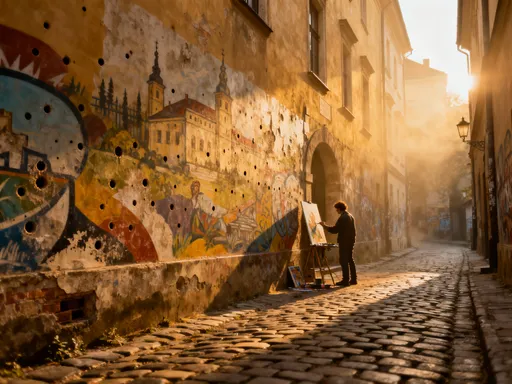
Public art plays a crucial role in shaping East Austin’s identity. Murals cover entire building sides, celebrating cultural heritage, social justice, and local pride. These visual statements aren’t just decoration—they anchor the community’s sense of place amid rapid change. Some retail spaces collaborate with artists to host pop-up shops or craft fairs, further blurring the line between commerce and culture. Even city-led initiatives, like the East Austin Street Art Tour, guide visitors through these creative zones, turning shopping into a form of cultural exploration.
Despite concerns about displacement, many new businesses prioritize inclusivity. Some shops partner with local nonprofits to offer job training or youth programs. Others reserve space for minority-owned vendors or host free community events. These efforts help ensure that economic growth benefits long-term residents, not just newcomers. The challenge lies in maintaining this balance as demand for space increases. For now, East Austin remains a dynamic frontier where retail innovation unfolds alongside deep-rooted community values.
Farmers Markets as Urban Hubs: More Than Just Produce
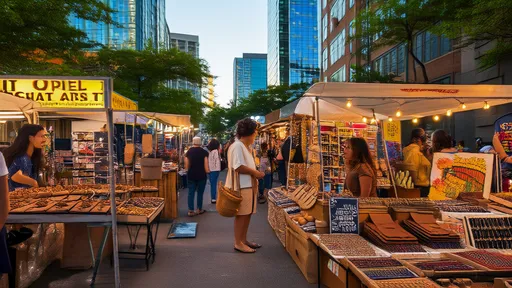
In Austin, farmers markets are more than places to buy fresh vegetables—they are vital urban hubs that blend commerce, community, and culture. The Texas Farmers’ Market at Mueller, held every Sunday, is a prime example. Located on the grounds of a former airport turned mixed-use neighborhood, it transforms a public plaza into a bustling marketplace each weekend. Over 150 vendors offer organic produce, artisanal cheeses, handmade bread, and locally roasted coffee, attracting families, foodies, and health-conscious shoppers.
But the market’s appeal goes beyond food. It features live music, cooking demonstrations, and children’s activities, making it a full-day destination. Shoppers linger at picnic tables, sipping kombucha while listening to folk singers. Dog owners stroll through designated pet-friendly zones. Yoga classes begin at 9 a.m., drawing participants who stay for breakfast afterward. These elements turn a simple shopping trip into a social ritual, reinforcing connections among neighbors and visitors alike.
What’s remarkable is how temporary markets activate underused urban spaces. Parking lots, riverfront areas, and vacant lots become vibrant gathering spots on market days. The city supports this through permits, infrastructure like shade tents and restrooms, and coordination with local organizations. By doing so, it maximizes the utility of public land and strengthens neighborhood identity. These markets also provide low-barrier entry points for small entrepreneurs, especially women and minority vendors who might not afford permanent retail space.
Moreover, farmers markets foster environmental awareness. Many emphasize sustainability—vendors use compostable packaging, recycling stations are plentiful, and educational booths promote urban gardening and water conservation. Shoppers leave not just with groceries, but with ideas for living more sustainably. In this way, the market becomes a platform for values as much as goods. It reflects Austin’s broader ethos: progressive, community-oriented, and deeply connected to the land.
Design That Draws You In: Plazas, Parks, and Pedestrian Paths
The success of Austin’s shopping spaces isn’t accidental—it’s rooted in thoughtful urban design. Across the city, planners and architects use specific elements to make retail environments inviting and comfortable. Shade structures, such as pergolas and canopy trees, protect visitors from the Texas sun. Benches and lounge seating encourage rest and conversation. Strategic lighting extends usability into the evening, while greenery—flower beds, potted plants, and vertical gardens—softens hard surfaces and improves air quality.
Take the plaza at Zilker Park, adjacent to the Barton Springs Pool. Though not a traditional shopping area, it hosts weekend craft fairs and concession stands that draw thousands. The space is designed for flow: wide pathways accommodate crowds, water fountains are easily accessible, and grassy areas allow people to spread out. During events, temporary stalls are arranged to maintain openness, avoiding the cramped feel of conventional markets. This attention to detail ensures comfort, which in turn increases dwell time and spending.
Rainey Street offers another lesson in design-driven retail. Once a quiet residential lane, it has evolved into a nightlife and dining destination with repurposed bungalows serving as bars and eateries. The city preserved the street’s intimate scale, limiting building height and maintaining narrow roads that slow traffic. String lights overhead create a warm glow, while shared courtyards invite mingling. Even sidewalks are textured for slip resistance, a small but meaningful safety feature. These choices reflect a deep understanding of human behavior—people stay longer when they feel safe, comfortable, and engaged.
Wayfinding is equally important. Clear signage, maps, and color-coded zones help visitors navigate complex spaces without frustration. In The Domain, digital kiosks provide real-time event schedules and store directories. At South Congress, painted crosswalks and mural landmarks serve as informal guides. These tools reduce cognitive load, allowing shoppers to focus on discovery rather than direction. When design removes barriers, exploration becomes effortless—and enjoyable.
Shopping With a View: Riverfronts, Rooftops, and Open Skies
Austin’s geography gives it a distinct advantage in creating memorable shopping experiences. Nestled along the Colorado River and surrounded by hills and lakes, the city leverages its natural beauty to elevate retail beyond mere transactions. Stores positioned along the hike-and-bike trail, for instance, benefit from constant foot and bike traffic. Cyclists pause at waterside kiosks for smoothies or sunscreen, turning a pit stop into a retail opportunity. These locations feel integrated into the landscape, not imposed upon it.
Rooftop boutiques and cafes offer another dimension of experiential shopping. In downtown buildings, elevated terraces provide panoramic views of the skyline and Lady Bird Lake. A visitor might browse a curated selection of local art while sipping iced tea, the breeze carrying the scent of crepe myrtle. These spaces are designed for lingering—comfortable seating, ambient music, and shaded areas make them appealing at any time of day. The combination of retail and scenery transforms shopping into a sensory experience, one that engages sight, sound, and touch.
Waterfront plazas further enhance this connection. At the Seaholm District, a revitalized power plant site, shops and restaurants open onto a pedestrian-friendly esplanade. People walk dogs, jog, or simply sit and watch kayakers glide by. Retail here feels secondary to the environment, yet it thrives because of it. When people enjoy a place, they’re more likely to support the businesses within it. This symbiotic relationship between nature and commerce is a hallmark of Austin’s most successful shopping zones.
Even seasonal changes influence the shopping mood. In spring, wildflowers bloom along trails, drawing photographers and nature lovers who stop at nearby stores. In fall, cooler temperatures make outdoor patios especially inviting. The city capitalizes on these rhythms through events like holiday markets and summer night festivals, aligning retail with natural cycles. In doing so, Austin reminds us that shopping doesn’t have to be artificial or rushed—it can be as organic and flowing as the river itself.
Conclusion
Austin redefines shopping not as an escape from city life, but as an integral part of it. From the vibrant sidewalks of South Congress to the curated plazas of The Domain, from the adaptive reuse of East Austin warehouses to the seasonal energy of farmers markets, retail here is embedded in the urban fabric. These spaces do more than sell products—they build community, reflect local identity, and invite exploration. Thoughtful design, cultural authenticity, and natural beauty converge to create experiences that feel meaningful rather than transactional.
For travelers and residents alike, the lesson is clear: look beyond the storefronts. Notice the shade trees, the public art, the way a plaza slopes gently toward the river. These details are not mere decoration—they are the quiet architects of connection. In Austin, shopping becomes a way to engage with the city, to slow down, to discover. It’s a reminder that the best urban spaces are not just functional, but alive with possibility. So next time you visit, come not just to buy, but to belong.