Wandering Through Urban Magic: Ljubljana on Foot
Ever wondered how a city can feel like a living garden? Walking through Ljubljana, Slovenia, I was stunned by how effortlessly it blends nature, history, and daily life. Its car-free center, winding river, and vibrant public spaces invite exploration at a human pace. This is urban design that breathes—where every step reveals charm, connection, and quiet joy. More than just a capital city, Ljubljana has become a model of thoughtful, people-centered planning, proving that urban life doesn’t have to mean noise, congestion, and concrete. Instead, it can offer tranquility, beauty, and a sense of belonging, all within walking distance.
Discovering Ljubljana: A City Built for Walkers
Ljubljana’s transformation into one of Europe’s most walkable cities began in earnest in 2007, when city leaders made a bold decision: to reclaim the urban core from cars and return it to people. Before this shift, like many mid-sized capitals, Ljubljana struggled with traffic congestion, air pollution, and underused public spaces. The city center was dominated by vehicles, making it difficult for pedestrians to navigate comfortably. But with the implementation of a comprehensive urban redesign, everything changed. A large portion of the city center was declared car-free, with only residents, emergency services, and delivery vehicles permitted under strict time controls. The result was immediate and profound.
Today, over 98% of the city center is closed to general traffic, creating a vast pedestrian zone that encourages slow, intentional movement. Wide sidewalks, cobblestone plazas, and tree-lined avenues now define the urban landscape. The shift wasn’t just about removing cars—it was about reimagining how people experience the city. According to the City of Ljubljana’s Mobility Office, foot traffic increased by 60% within the first five years of the transformation, while air pollution levels dropped by nearly 70% in the city center. These figures reflect more than environmental success; they signal a deeper cultural change. Residents began spending more time outdoors, children played in streets once ruled by engines, and café terraces flourished where parking lots once stood.
What makes Ljubljana particularly accessible is its compact size. The historic core spans just over one square kilometer, meaning that major landmarks, markets, and green spaces are all within a 20-minute walk of each other. This walkability is further enhanced by an efficient public transportation system that connects outer neighborhoods to the pedestrian zone via electric buses and a free shuttle service. The city’s layout follows a natural flow—paths radiate from the central Prešeren Square like spokes, guiding visitors intuitively through different districts. For families, especially women managing daily errands or planning leisure outings, this ease of movement offers both practical convenience and emotional comfort. There’s a sense of safety, clarity, and calm that comes from navigating a city designed for human rhythms rather than mechanical speed.
The Green Spine: Tivoli Park and the City’s Natural Lungs
At the western edge of Ljubljana’s center lies Tivoli Park, a sprawling green oasis that serves as the city’s primary recreational and ecological anchor. Covering over 500,000 square meters, Tivoli is not merely a park—it is a living network of pathways, gardens, and cultural spaces that connect residential neighborhoods and provide a sanctuary for both wildlife and city dwellers. From the moment you step beneath its canopy of chestnut and lime trees, the noise of the city softens, replaced by birdsong, rustling leaves, and the occasional laughter of children playing near the playgrounds.
The park’s design reflects centuries of evolution, from its origins as a noble estate in the 18th century to its current role as a public asset. Today, it features wide, well-maintained paths ideal for walking, jogging, or pushing a stroller—making it a favorite among mothers, retirees, and fitness enthusiasts alike. Along the main promenade, shaded benches invite rest and conversation, while seasonal flowerbeds burst with color in spring and summer. One of the park’s most beloved features is Cekin Mansion, a Baroque-style building that now houses the Museum of Contemporary History, offering cultural enrichment amidst natural beauty. Nearby, the Tivoli Sports Hall and open-air theater host community events, reinforcing the park’s role as a hub of civic life.
But beyond aesthetics and recreation, Tivoli plays a critical environmental role. It acts as a natural air filter, absorbing pollutants and releasing oxygen, while also helping to regulate temperature during hot summers—a growing concern in urban areas facing climate change. The park supports local biodiversity, providing habitat for over 150 species of birds, insects, and small mammals. For residents seeking mental respite, studies conducted by the University of Ljubljana have shown that regular visits to green spaces like Tivoli significantly reduce stress and improve overall well-being. In a world where urban life often feels overwhelming, Tivoli offers a quiet counterbalance—a place where one can breathe deeply, reflect, and reconnect with nature without leaving the city limits.
Along the Ljubljanica: Riverfront Life and Public Activation
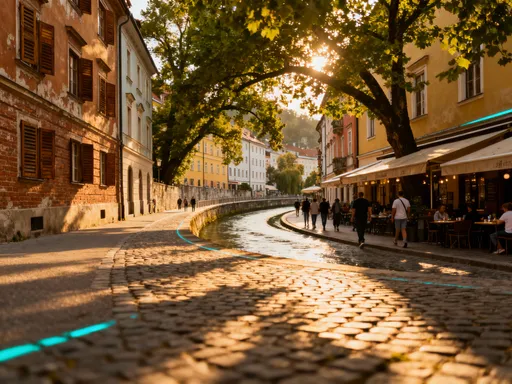
The Ljubljanica River, which winds gracefully through the heart of the city, is more than a geographic feature—it is the social and emotional spine of Ljubljana. Once hemmed in by roads and overlooked by development, the riverbanks have undergone a remarkable transformation. Today, they are lined with pedestrian promenades, outdoor cafes, and colorful market stalls, creating a lively corridor that pulses with activity from morning until late evening. The river’s gentle current mirrors the city’s rhythm: unhurried, inviting, and deeply integrated into daily life.
One of the most iconic points along the river is the Dragon Bridge, adorned with four majestic bronze dragons that have become symbols of Ljubljana’s mythical identity. This 1901 structure not only connects key parts of the city but also serves as a gathering spot for photos, quiet contemplation, and people-watching. Just downstream, the Triple Bridge—originally a single stone bridge expanded into three parallel walkways—links the old town with the modern shopping district, seamlessly blending historical architecture with contemporary urban function. These bridges are not just crossings; they are destinations in themselves, often hosting street performers, artisans, and seasonal decorations.
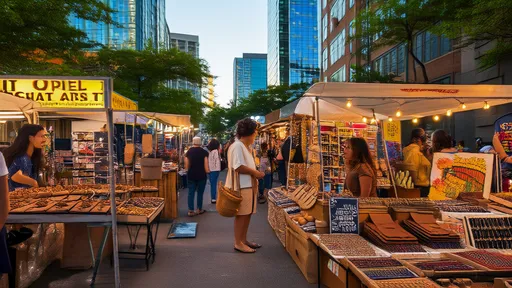
The city has invested heavily in activating the riverfront through thoughtful programming and adaptive design. During warmer months, open-air markets pop up weekly, selling fresh produce, handmade crafts, and local delicacies. Floating platforms host summer concerts and film screenings, drawing families and friends to the water’s edge. Even in winter, the riverbanks remain lively, with heated terraces and holiday markets creating cozy atmospheres. The success of these initiatives lies in their inclusivity—they cater to all ages and interests, from toddlers chasing pigeons to elders enjoying a coffee by the water. By transforming underused riverfront spaces into dynamic public realms, Ljubljana has demonstrated how urban waterways can become catalysts for community engagement and joy.
The Heart of the City: Prešeren Square and the Pulse of Public Gathering
No exploration of Ljubljana is complete without a visit to Prešeren Square, the city’s central plaza and beating heart of public life. Named after France Prešeren, Slovenia’s greatest poet, the square is marked by a striking pink Baroque church—St. Nicholas Cathedral—and a prominent statue of the poet himself, often adorned with flowers or seasonal wreaths. This is where paths converge, where buses arrive and depart, and where spontaneous gatherings unfold. It is both a transit point and a destination, equally suited for a quick coffee stop and a full afternoon of observation and reflection.
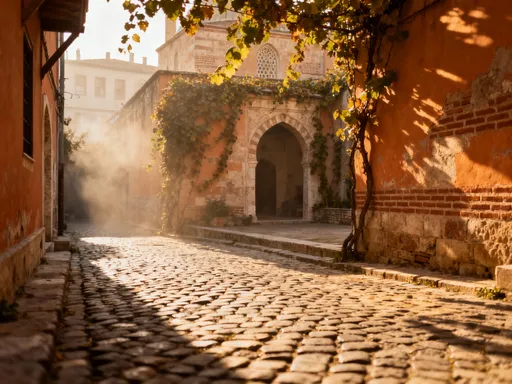
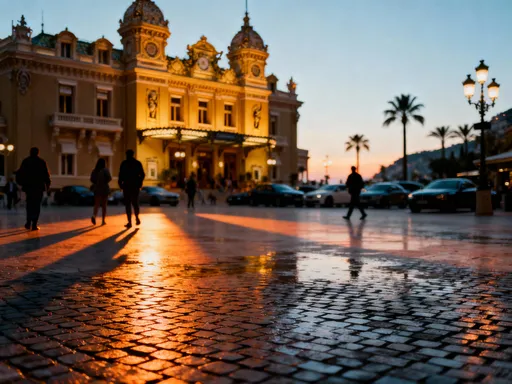
The square’s design strikes a delicate balance between openness and intimacy. Its spacious layout allows for large events—such as national celebrations, open-air concerts, and holiday markets—while smaller seating areas and shaded corners provide quieter retreats. The surrounding buildings house cafes, bookshops, and boutiques, their ground floors animated with activity. The cobblestone surface, though uneven in places, adds to the historic charm, encouraging visitors to slow down and pay attention to their surroundings. Signage is discreet yet effective, guiding newcomers without disrupting the aesthetic harmony.
What makes Prešeren Square truly special is its role as a democratic space—one that belongs to everyone. Whether you’re a local grabbing a morning pastry, a tourist consulting a map, or a street musician tuning an instrument, you are welcomed here. The city carefully manages the square’s use, ensuring that commercial interests do not overshadow public access. Seasonal changes bring new life: spring sees blooming flower arrangements, summer hosts live music performances, autumn welcomes harvest festivals, and winter transforms the space into a magical market with wooden huts and warm drinks. For women who value both practicality and beauty in their urban environments, Prešeren Square exemplifies how public spaces can be functional, safe, and emotionally uplifting at once.
Hidden Layers: Quiet Alleys and Local Neighborhoods Beyond the Center
While the main squares and riverbanks draw the most attention, some of Ljubljana’s greatest charm lies in its quieter corners—narrow alleys, tucked-away courtyards, and residential neighborhoods that reveal the city’s soul. Just a short walk from the tourist hubs, areas like Krakovski Vrt, Trnovo, and Šiška offer a different pace and perspective. These districts are where locals live, shop, and gather, and they reflect a deep sense of community pride and identity.
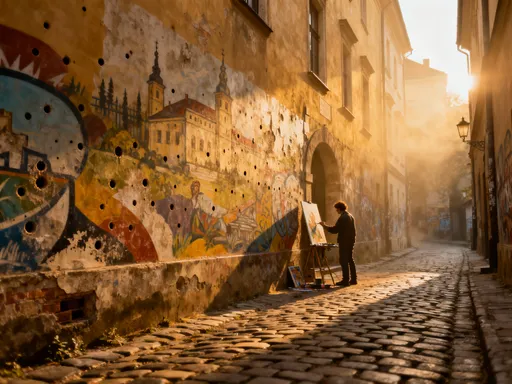
In these neighborhoods, small-scale urban interventions make a big difference. Brightly painted doors, hand-painted murals, and window boxes overflowing with geraniums add personality and warmth. Community gardens—some managed by schools, others by neighborhood associations—provide green oases and opportunities for intergenerational connection. In Trnovo, the historic church square doubles as a weekend farmers’ market, where residents buy fresh eggs, honey, and homemade jams directly from producers. These “third places”—spaces that are neither home nor work—foster social bonds and a sense of belonging that is often missing in car-dependent cities.
Walking through these areas, one notices how thoughtfully the city has preserved local character while improving livability. Sidewalks are widened where needed, traffic is calmed with speed bumps and signage, and pedestrian crossings are clearly marked. Playgrounds are integrated into green spaces, and benches are placed at regular intervals, encouraging rest and conversation. For women who care about neighborhood safety and child-friendly design, these subtle but meaningful details matter deeply. They signal that the city listens, observes, and responds to the needs of its people—not just as commuters, but as neighbors, parents, and community members.
Practical Walkability: Infrastructure That Supports Exploration
Ljubljana’s success as a walkable city is not accidental—it is the result of deliberate, well-executed infrastructure planning. Behind the scenic views and charming streetscapes lies a robust system designed to support ease of movement for all. Clear, multilingual signage guides visitors through the city, with maps and directional markers placed at regular intervals. Color-coded walking routes highlight thematic trails—such as historical, cultural, or green spaces—making self-guided exploration accessible even to first-time visitors.
Safety is a top priority. Well-lit pathways, frequent crosswalks with audible signals, and traffic-calming measures ensure that pedestrians, including the elderly and those with mobility challenges, can navigate the city with confidence. Public restrooms are clean, accessible, and strategically located near major attractions and transit points. Benches are plentiful, offering rest spots every few hundred meters—especially important for older adults or parents with young children. The city also maintains a network of covered walkways and waiting areas, providing shelter during rain, a common occurrence in Slovenia’s temperate climate.
Inclusivity is woven into the design. Ramps replace stairs where possible, tactile paving assists visually impaired individuals, and public transportation is fully accessible. The Ljubljana Card, available to tourists, offers free entry to museums, discounts on tours, and unlimited use of public transport—including the electric tourist shuttle that circles the city center. This integration of services removes barriers and enhances the overall experience. For women managing family trips or traveling independently, such thoughtful planning translates into peace of mind. There is no need to worry about getting lost, finding a restroom, or navigating inaccessible terrain. The city anticipates needs before they arise, creating an environment where everyone can explore freely and safely.
Why Ljubljana Works: Lessons in Human-Scaled Urbanism
At its core, Ljubljana’s success lies in its philosophy: that cities should be designed for people, not machines. This human-scaled approach prioritizes well-being, connection, and beauty over speed, efficiency, and convenience for vehicles. It recognizes that urban life is not just about getting from point A to point B, but about the experiences, encounters, and emotions that unfold along the way. By slowing things down, Ljubljana has created a city that feels alive, responsive, and deeply humane.
The lessons from Ljubljana are clear and replicable. First, bold policy decisions—like restricting car access—can yield transformative results when paired with public engagement and alternative transportation options. Second, integrating nature into urban spaces is not a luxury, but a necessity for health, resilience, and quality of life. Third, public spaces must be designed for diversity of use—capable of hosting both daily routines and special events, serving both individuals and communities. Finally, attention to detail—benches, signage, lighting, accessibility—matters immensely. These elements may seem minor in isolation, but together they shape the lived experience of a city.
For women who seek balance, safety, and beauty in their environments—whether at home or while traveling—Ljubljana offers inspiration. It shows that urban life can be gentle, inclusive, and enriching. It invites us to reconsider what we value in our cities and to imagine new possibilities. The quiet revolution happening in Ljubljana is not about grand monuments or futuristic technology. It is about something far more profound: the simple act of walking, and the joy of discovering a city that walks with you.