You Won’t Believe These Hidden Spots in Malé—Local Vibes Only
Malé, the bustling heart of the Maldives, is more than just an airport stopover. I used to think it was all concrete and crowds—until I discovered its quiet parks, seaside cafés, and local hangouts where time slows down. This tiny island packs surprising charm for travelers who know where to look. If you're seeking real moments between flights or a deeper dive into Maldivian life, here’s how to find the calm within the chaos—your shortcut to authentic relaxation in the city.
Reimagining Malé: Beyond the Transit Myth
For most international travelers, Malé serves as a brief transfer point—a place to disembark from a seaplane or speedboat en route to an overwater villa. Its dense urban layout, compact streets, and constant motion often give the impression of a city too busy for leisure. Yet beneath this surface rhythm lies a quieter truth. Malé, though small in size, is rich in daily life and subtle beauty, offering fleeting moments of peace for those willing to pause and observe. The misconception that Malé lacks charm stems largely from rushed itineraries and a focus on resort-centric tourism, which overlooks the cultural heartbeat of the Maldivian capital.
What many don’t realize is that Malé functions as the country’s living room—a place where traditions are maintained, families gather, and daily routines unfold with quiet dignity. While it may not offer white-sand beaches or coral reefs teeming with fish, it provides something equally valuable: authenticity. The city thrives on routine, community, and simplicity, and within that lies an unexpected form of relaxation. By shifting expectations from luxury escape to cultural immersion, visitors can uncover a different kind of serenity—one rooted in human connection and mindful presence.
"Micro-retreats" are becoming a growing trend among urban travelers, especially those with limited time. These are short, intentional pauses that allow for reflection, rest, and reconnection. In Malé, such retreats are found in a shaded bench overlooking the water, a warm cup of kahva in a corner café, or a slow walk through a quiet neighborhood. They don’t require long stays or elaborate plans. Instead, they rely on awareness and openness—qualities that transform even a six-hour layover into a meaningful experience. The key is to approach the city not as a transit hub, but as a destination in its own right, however briefly visited.
Seaside Escapes: Where the Ocean Meets the City
Despite its urban density, Malé maintains a strong relationship with the sea. Unlike the pristine, secluded shores of resort islands, the city’s coastline is lined with seawalls, docks, and reclaimed land. Yet, in these engineered spaces, locals have carved out their own seaside sanctuaries. These are not postcard-perfect beaches, but they offer something just as valuable: access to the ocean’s calming presence amid city life. For travelers, these waterfront spots provide a refreshing contrast to airport terminals and crowded streets, offering fresh breezes, rhythmic waves, and unobstructed views of the horizon.
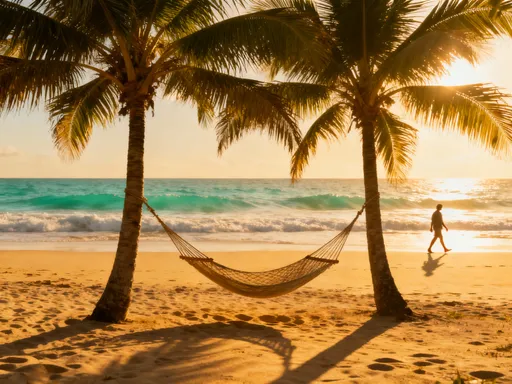
One of the most accessible seaside retreats is the artificial beach at Sultan Park. Built on reclaimed land, this small stretch of sand and grass is a favorite among families and young professionals looking to unwind. Shaded by palm trees and bordered by a low seawall, it offers a safe, clean space to sit, read, or simply watch the water. While swimming isn’t recommended due to currents and boat traffic, the sound of waves and the sight of passing dhonis create a soothing atmosphere. Early evenings are especially peaceful, as the golden light reflects off the Indian Ocean and the air cools slightly.
Another lesser-known spot is the breakwater near the commercial harbor. Though not designed for leisure, this long concrete ledge attracts locals who come to fish, chat, or enjoy the sunset. Standing at the edge, with the city behind and the open sea ahead, offers a powerful sense of perspective. The rhythmic lapping of water against the stones, the distant hum of boat engines, and the occasional cry of a seabird form a natural soundtrack that can be deeply grounding. Travelers should exercise caution—wearing sturdy footwear and staying behind safety railings—but those who do can enjoy a rare moment of solitude in the heart of the city.
The eastern promenade, running along the edge of the island, is another excellent option for a quiet seaside pause. Lined with benches and dotted with small food stalls, it’s a place where daily life unfolds in slow motion. Fishermen mend their nets, children fly kites, and couples stroll hand in hand. Unlike tourist-heavy areas, this stretch sees few foreign visitors, making it ideal for observing local customs and rhythms. A walk here at dawn or dusk reveals the city at its most reflective, when the pace slows and the sea seems to hold its breath.
Green Oases in a Concrete Maze
In a city where space is at a premium, every square meter counts. Malé is one of the most densely populated cities in the world, with nearly 250,000 people living on an island just over two square kilometers. Given these constraints, green spaces are limited—but they are also deeply cherished. Republic Square and Children’s Park stand out as vital respites from the urban grind, offering shade, seating, and a touch of nature in an otherwise concrete landscape. These parks are not manicured gardens, but they serve an essential role as informal relaxation zones for residents and curious visitors alike.
Republic Square, located near the center of the city, is often bustling during the day but quiets down in the late afternoon. Surrounded by government buildings and shops, it features a central fountain, flowering shrubs, and clusters of benches under broad-leafed trees. It’s common to see office workers taking short breaks here, sipping tea or reading on their phones. For travelers, it’s an ideal spot to sit and absorb the rhythm of city life. The shade provides relief from the tropical sun, and the gentle hum of conversation creates a sense of calm without silence. Even a 20-minute pause here can restore mental clarity and energy.
Children’s Park, though smaller, has a more relaxed atmosphere. As the name suggests, it’s popular with families during weekends and holidays, but on weekday mornings, it’s often nearly empty. The park includes a small playground, a few picnic tables, and patches of grass where people sometimes spread mats for informal gatherings. It’s not uncommon to see elders meditating or doing light exercises in the early hours. The simplicity of the space—its lack of commercialization or tourist infrastructure—makes it feel genuine and welcoming. Sitting here with a notebook or a book allows for a rare kind of stillness, uninterrupted by schedules or expectations.
These green oases are more than just parks—they are community anchors. They reflect a cultural value placed on shared public space, where people of all ages and backgrounds can gather without cost or obligation. For visitors, they offer a chance to slow down and observe daily Maldivian life in its most ordinary, yet meaningful, forms. By visiting these spaces with respect and quiet presence, travelers can experience a side of Malé that is often invisible to those who only pass through.
Café Culture: Chilling with a Cup of Kahva
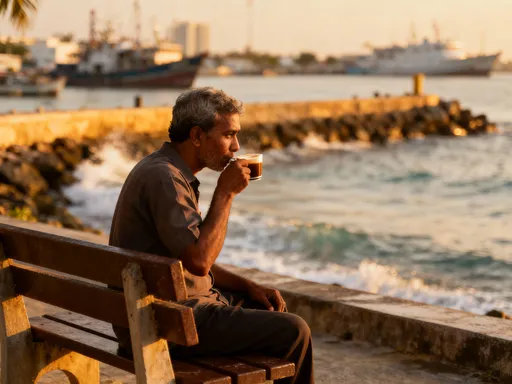
In Malé, cafés are more than places to grab a drink—they are social institutions. While international coffee chains are absent from the city, a vibrant network of local tea shops and hybrid café-spaces thrives. These establishments serve kahva, a spiced black tea brewed with cardamom, ginger, and sometimes cinnamon, often sweetened with sugar or condensed milk. It’s a daily ritual for many residents, enjoyed slowly in the company of friends or in quiet solitude. For travelers, sharing a cup of kahva can be a gateway to authentic connection and relaxation.
Many of the most atmospheric cafés are tucked into narrow side streets or located above small shops. They’re unmarked by flashy signs, relying instead on word-of-mouth and regular clientele. Some have outdoor seating with views of the street or sea, while others are cozy, air-conditioned rooms with simple tables and chairs. Wi-Fi is usually available, though the connection may be slow—encouraging guests to put down their devices and engage with their surroundings. The pace is unhurried, and staff often treat visitors with warm curiosity, sometimes offering recommendations or sharing stories in broken English.
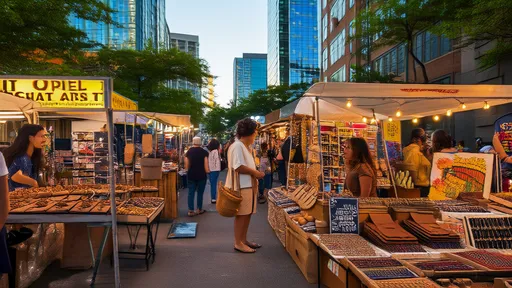
One popular type of café is the neighborhood tea stall, often run by a single family. These modest spots serve kahva alongside simple snacks like hedhikaa—small, savory pastries filled with tuna, coconut, or eggs. They’re frequented by commuters, students, and shopkeepers, creating a lively yet intimate atmosphere. Sitting at a plastic table on the sidewalk, sipping warm tea and watching the world go by, can be one of the most grounding experiences in the city. There’s no pressure to order multiple items or vacate the table quickly. Time moves differently here.
For those seeking a slightly more modern setting, a few hybrid spaces blend traditional flavors with contemporary comfort. These cafés may feature cushioned seating, soft lighting, and curated playlists, but they still prioritize local ingredients and slow service. Some even host small cultural events, such as poetry readings or craft displays, fostering a sense of community. Whether in a bustling tea stall or a quiet corner café, the act of pausing for a drink becomes a ritual of mindfulness—a deliberate choice to rest, reflect, and reconnect.
Timing Your Visit: Beating the Rush, Finding Quiet
In a city as compact and active as Malé, timing is everything. The difference between a chaotic, overheated experience and a peaceful, reflective one often comes down to when you choose to explore. The midday hours, particularly between 11 a.m. and 3 p.m., are the busiest and hottest. Streets are crowded with workers, shops are loud, and the sun beats down with little relief. For relaxation, these hours are best spent indoors—perhaps in a café or air-conditioned shop—waiting for the temperature and tempo to drop.
Early mornings, from 6 to 8 a.m., offer the most tranquil conditions. The air is cooler, the light is soft, and the city is just beginning to stir. Streets are quiet, parks are nearly empty, and the sea has a glassy stillness. This is the ideal time for a slow walk along the promenade or a quiet moment in Republic Square. Many locals begin their day with light exercise or prayer, creating a sense of calm purpose. Travelers with early arrivals or late departures can take advantage of these golden hours to ground themselves before or after a journey.
Late afternoons and early evenings, from 4 p.m. onward, are another prime window for relaxation. As the sun begins to set, temperatures drop slightly, and the city shifts into a more leisurely rhythm. The eastern promenade fills with strollers, fishermen return with their catch, and families gather in parks. This is also when many cafés see their second wave of customers, making it a great time to enjoy kahva with a view. Weekdays tend to be quieter than weekends, when locals have more free time and public spaces become livelier.
Understanding the cultural calendar also helps. On Fridays, the Muslim day of prayer, many businesses close for part of the day, especially between noon and 2 p.m. While this may limit shopping options, it also means fewer crowds and a more contemplative atmosphere. Respecting local customs—such as dressing modestly and avoiding loud behavior near mosques—ensures a smoother, more respectful experience. By aligning your schedule with the city’s natural rhythms, you can find peace not by escaping Malé, but by moving with it.
Navigating Like a Local: Walkability and Small-Scale Exploration
One of Malé’s greatest advantages is its walkability. With a diameter of just over one kilometer, the entire city can be crossed on foot in less than 30 minutes. There are no cars in the central areas—only bicycles, motorbikes, and pedestrians weaving through narrow streets. This human-scale design makes exploration intuitive and stress-free. You don’t need a map to get lost in a good way; you just need comfortable shoes and a sense of curiosity.
Street patterns in Malé follow a loose grid, with numbered lanes running east-west and named streets running north-south. While signage is limited, landmarks like mosques, markets, and parks serve as natural guides. Asking for directions is usually met with friendly assistance, as locals are accustomed to helping visitors. Many enjoy practicing English and are proud to share their city. A simple smile and a polite question can lead to unexpected discoveries—a hidden courtyard, a favorite snack vendor, or a quiet bench with a sea view.
For those looking to extend their relaxation beyond Malé, short ferry rides to nearby islands offer additional options. Villingili, just a 10-minute public ferry ride away, is a green, residential island with wide paths and open spaces. It’s popular with joggers and cyclists and offers a more spacious, nature-oriented contrast to the capital. Hulhumalé, a reclaimed island connected by a causeway, features modern infrastructure, landscaped parks, and a long seaside walkway ideal for sunset viewing. These nearby destinations allow travelers to experience variety without complexity, enhancing their sense of calm through gentle change of scenery.
Walking in Malé is not just a mode of transport—it’s a way of being. It encourages slowness, observation, and connection. Without the barrier of a vehicle, you’re more likely to notice details: the pattern of light through palm leaves, the scent of spices from a food cart, the sound of laughter from a courtyard. These small sensory experiences accumulate into a deeper sense of presence. By moving on foot, you don’t just see the city—you feel it.
Blending Rest and Discovery: A One-Day Relaxation Itinerary
For travelers with a layover or a short visit, a well-paced day in Malé can be both restful and enriching. The following itinerary is designed for someone with 6 to 12 hours to spare, focusing on balance, comfort, and authentic experience. It’s not about seeing everything, but about feeling at ease in a place often overlooked.
The day begins at sunrise with a quiet walk along the eastern promenade. The air is cool, the sky shifts from indigo to gold, and the city is just waking up. After 20 minutes of mindful walking, stop at a local tea stall for a cup of kahva and a small pastry. Enjoy it slowly, watching fishermen prepare their boats. By 8 a.m., head to Republic Square to rest under the trees, perhaps with a journal or a book. Spend an hour here, soaking in the atmosphere.
From 10 a.m. to noon, explore the narrow lanes near the fish market, observing daily commerce without rushing. Stop at a small café for light refreshment, then return to Children’s Park for a midday pause. Sit under a tree, close your eyes, and listen to the sounds of children playing and birds calling. After 1 p.m., retreat to an air-conditioned space—perhaps a library or a quiet shop—until the heat subsides.
At 4 p.m., walk to Sultan Park. Stroll along the artificial beach, feel the breeze, and watch children play. Stay until sunset, when the sky turns deep orange and the city lights begin to flicker on. End the day with a slow ferry ride to Villingili or a quiet dinner at a seaside café in Malé. Return refreshed, not exhausted, having experienced the city on its own terms.
The Art of Slowing Down in a Fast City
Malé challenges the conventional idea of island relaxation. There are no infinity pools, no private butlers, no silence broken only by waves. Instead, it offers a different kind of luxury—one built on presence, simplicity, and human warmth. The true gift of Malé is not escape, but integration. It invites travelers to slow down not by removing themselves from the world, but by engaging with it more deeply.
In a society that often equates rest with isolation, Malé teaches that peace can coexist with activity. It shows that serenity is not always found in seclusion, but sometimes in the quiet corners of a busy life. By embracing small moments—a shared cup of tea, a bench by the sea, a walk through a sunlit park—visitors can find restoration even in the most unexpected places.
The city’s compact size, walkable streets, and strong community rhythms make it an ideal setting for mindful travel. It reminds us that relaxation is not about how far we go, but how attentively we arrive. In Malé, the journey inward begins with a single step on a sun-warmed sidewalk, a deep breath of sea air, and the courage to pause. For those who take the time, the rewards are real, quiet, and lasting.