Taste of Nature: Tokyo’s Wild Side on a Plate
You know what? Tokyo isn’t just neon lights and bullet trains—deep in its hidden corners, nature and flavor collide in the most mind-blowing way. I never expected to find mountain-foraged herbs in a backstreet ramen or ocean-fresh wasabi beneath a forest waterfall. This is more than dining—it’s a sensory journey where every bite tells a story of Japan’s wild landscapes. You gotta taste it to believe it.
Beyond Sushi: Discovering Tokyo’s Natural Flavors
When travelers think of Tokyo’s food scene, their minds often leap to sushi counters, ramen alleys, or Michelin-starred temples of gastronomy. But beneath the city’s polished culinary surface lies a deeper truth: Tokyo’s most authentic flavors are born not in kitchens, but in the forests, rivers, and coastal inlets that cradle the metropolis. The city’s proximity to diverse ecosystems—from the volcanic foothills of Mount Fuji to the tidal flats of Chiba—means that many of its most prized ingredients are drawn directly from the wild. This connection between land and plate is not a trend; it is a centuries-old tradition rooted in Japanese reverence for nature’s cycles.
Regions like Okutama and Chichibu, nestled in the western highlands just a few hours from central Tokyo, serve as vital sources of seasonal mountain vegetables known as sansai. These include warabi (bracken fern), zenmai (royal fern), and taranome (young shoots of the angelica tree), all foraged in spring when their tender growth delivers peak flavor. These ingredients are not exotic rarities but staples in traditional home cooking and high-end kaiseki menus alike. Farmers and foragers deliver them to Tokyo’s markets within hours of harvest, preserving their crisp texture and earthy aroma. Similarly, the Tama River, which flows through western Tokyo, supports populations of freshwater fish such as ayu (sweetfish), which are caught in summer and grilled simply with salt, a dish that captures the purity of the river itself.
The concept of terroir—how environment shapes taste—is deeply embedded in Tokyo’s food culture. Unlike the vineyard-driven terroir of Europe, Japan’s version is more fluid, shaped by elevation, water quality, and seasonal shifts. For example, bamboo shoots harvested in the moist, shaded slopes of Nikko have a sweeter, more delicate flavor than those grown in drier regions. This geographical nuance is celebrated in dishes like takenoko gohan (bamboo shoot rice), where the ingredient’s origin is often named on the menu. Even sansho pepper, the citrusy spice used in unagi (grilled eel) dishes, varies in intensity depending on whether it’s grown in the cool mists of Yamanashi or the sun-drenched hills of Shizuoka. These subtle differences are not lost on Tokyo’s chefs, who source ingredients with the precision of sommeliers.
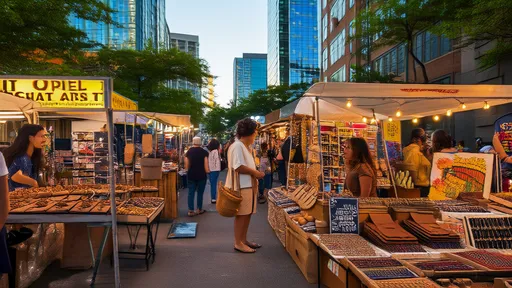
Local markets play a crucial role in bridging rural producers with urban consumers. While large wholesale hubs like Toyosu dominate the commercial supply chain, smaller regional stalls and weekend farmers’ markets offer a more personal connection. In neighborhoods like Kichijoji and Yanaka, vendors from Tohoku and Nagano bring baskets of wild vegetables, fresh herbs, and heirloom vegetables straight from their farms. These direct relationships ensure freshness and support sustainable agriculture. For visitors, shopping at these markets is not just about buying food—it’s about witnessing the living thread that ties Tokyo’s tables to the natural world.
Morning Markets and Mountain Roots: The Tsukiji Legacy Lives On
Though the inner fish market has officially relocated to Toyosu, the soul of Tsukiji still pulses through the outer market and the early-morning rituals of Tokyo’s seafood trade. Long before the city stirs, vendors, chefs, and fishermen gather in the predawn chill, unloading crates of fish that arrived by truck or boat just hours before. The air is sharp with the scent of saltwater and crushed ice, and the fish—glistening under fluorescent lights—bear the marks of their journey: the deep red of tuna caught off the Ogasawara Islands, the delicate pink of uni from the Izu Peninsula, the slender form of ayu pulled from mountain streams. This is where Tokyo’s relationship with the sea becomes tangible, a daily affirmation of nature’s bounty.
What sets Tokyo’s seafood apart is not just variety, but the meticulous attention to sourcing. Fishmongers don’t simply buy what’s available—they track tidal patterns, water temperatures, and migration cycles to determine the best catch. For instance, Pacific saury (sanma) is most prized in autumn when it fattens up before spawning, its oily flesh rich with flavor. Similarly, uni (sea urchin) from the Izu Peninsula is harvested in summer, when the waters are cool and the gonads are creamy and sweet. These details are not lost on Tokyo’s chefs, many of whom visit the market personally to select their ingredients, building relationships with vendors who understand the rhythms of the sea.
Sustainability is woven into this tradition. Overfishing and environmental degradation are real concerns, but Tokyo’s seafood culture has long emphasized balance. Ayu, for example, is typically caught using traditional methods like ukai (cormorant fishing) or hand nets, which minimize harm to juvenile fish. Many restaurants now display the origin of their seafood, allowing diners to trace a piece of sashimi back to a specific bay or fishery. This transparency fosters trust and encourages responsible consumption. Some chefs even collaborate with local fishing cooperatives to support small-scale, eco-friendly practices, ensuring that the flavors of the sea remain vibrant for generations to come.
The sensory experience of the market is unforgettable. As the first light filters through the market awnings, the sounds of haggling, the clatter of ice, and the splash of water create a symphony of freshness. Fish are filleted with surgical precision, their skins peeled back to reveal translucent flesh. Vendors offer samples—slivers of raw scallop, cubes of fatty tuna—each bite a revelation of clean, oceanic sweetness. For travelers, an early visit to Toyosu or the Tsukiji outer market is more than a culinary adventure; it’s a lesson in how Tokyo honors its natural resources with reverence and care.
Forest to Fork: Foraging Culture Around Tokyo
Just beyond the sprawl of skyscrapers and subway lines, Tokyo’s green belt offers a surprising abundance of edible wild plants. Within two hours of Shinjuku, hikers and foragers venture into forests and river valleys to gather ingredients that have sustained Japanese communities for centuries. This foraging culture is not a fringe movement but a living tradition, passed down through generations and preserved in both rural villages and urban kitchens. In spring, the focus is on sansai—wild mountain vegetables that emerge after the snow melts. In autumn, the forest floor yields mushrooms like matsutake, nameko, and shiitake, each with its own devoted following.
Warabi (bracken fern) is one of the most iconic spring forageables. It grows in shaded, moist areas and must be boiled and soaked multiple times to remove natural toxins before consumption. Once prepared, it has a crisp, slightly nutty texture and is often served in sesame dressing or tempura. Takenoko (bamboo shoots) are another seasonal treasure, harvested in April and May when they are tender and sweet. They are used in soups, rice dishes, and stews, their mild flavor absorbing the richness of dashi and miso. Nameko mushrooms, with their slippery texture and earthy taste, are commonly used in miso soup and nabemono (hot pot dishes), adding depth and umami.
The concept of satoyama—the transitional zone between cultivated fields and deep forest—is central to this foraging tradition. These landscapes are not untouched wilderness but carefully managed ecosystems where biodiversity and human activity coexist. Villagers prune trees, maintain paths, and harvest selectively, ensuring that the forest remains productive. This balance allows species like warabi and takenoko to thrive without overexploitation. In recent years, interest in satoyama has grown among urbanites seeking a deeper connection to nature. Guided foraging tours near Mt. Takao and Okutama now attract families and food enthusiasts eager to learn about edible plants and sustainable harvesting.
Ethical foraging is a key principle. Local regulations often restrict harvesting to certain seasons and quantities, protecting plant populations and preventing soil erosion. Some areas require permits or prohibit foraging altogether to preserve ecological integrity. Chefs who source wild ingredients follow these guidelines closely, building relationships with foragers who respect the land. At high-end restaurants, this translates into dishes that celebrate seasonality and place—like a spring kaiseki course featuring warabi, takenoko, and fuki (butterbur), each ingredient foraged within a 50-kilometer radius. These meals are not just delicious; they are expressions of harmony between people and nature.
Wasabi Grown in Crystal Streams: A Taste of the Mountains
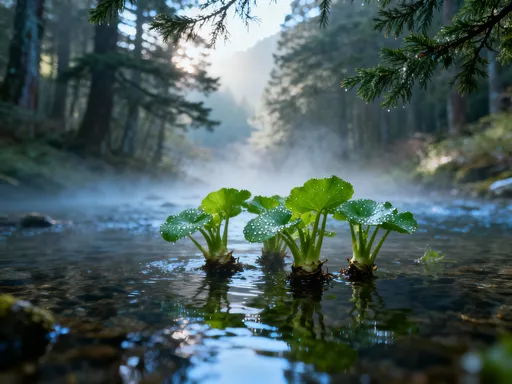
Most people know wasabi as the green paste served alongside sushi—a sharp, sinus-clearing condiment that often turns out to be a blend of horseradish, mustard, and food coloring. But real wasabi—Wasabia japonica—is something entirely different. It grows only in cool, flowing spring water, its roots bathed in mineral-rich currents that maintain a constant temperature year-round. These conditions are rare, which is why authentic wasabi is expensive and scarce. Around Tokyo, small farms in Izu, Yamanashi, and Nagano preserve this delicate plant, cultivating it in shaded stream beds where the water remains clear and oxygenated.
Freshly grated wasabi root has a complex flavor profile—floral, slightly sweet, with a clean heat that dissipates quickly, unlike the lingering burn of imitation versions. This ephemeral quality means it must be grated just before serving, often at the table by the chef. At traditional soba restaurants in the Japanese Alps, diners watch as the cook shaves the pale green root on a sharkskin grater, releasing its aromatic oils. The result is a condiment that enhances rather than overwhelms, pairing perfectly with buckwheat noodles, freshwater trout, or simply steamed rice.
The science behind wasabi cultivation is as fascinating as its taste. The plant requires specific conditions: shade from surrounding trees, a steady flow of water, and a pH level between 6.5 and 7.5. Any deviation can lead to disease or stunted growth. Farmers monitor these factors closely, using natural methods to maintain balance—such as planting companion species to deter pests or using gravel beds to filter water. Because wasabi takes 18 to 24 months to mature, farming it is an act of patience and dedication. Each harvest is a celebration of the land’s purity.
For visitors, tasting real wasabi is a revelation. Some ryokan (traditional inns) in the Izu Peninsula offer farm tours and tasting experiences, allowing guests to see the plants growing in crystal-clear streams and sample dishes that showcase their true flavor. The contrast with store-bought versions is stark—real wasabi doesn’t assault the senses; it invites contemplation. It’s a reminder that some of the most powerful flavors come not from processing, but from preservation—of water, soil, and tradition.
Edible Landscapes: How Volcanic Soil Shapes Flavor
Beneath Tokyo’s urban surface lies a geological legacy that profoundly influences its food: volcanic soil. The region sits in the Pacific Ring of Fire, where tectonic activity has shaped the land for millennia. Eruptions from Mount Fuji and other volcanoes have deposited layers of ash rich in potassium, magnesium, and phosphorus—minerals that enhance soil fertility. These nutrients are absorbed by plants, giving them deeper flavor, greater sweetness, and improved texture. While Tokyo itself is not a farming hub, nearby prefectures like Yamanashi, Shizuoka, and Kanagawa benefit directly from this volcanic terroir, producing ingredients that grace Tokyo’s finest tables.
One of the most striking examples is wasabi, which thrives in the mineral-laden waters of volcanic springs. The same soil also produces exceptionally sweet daikon radishes, crisp cucumbers, and fragrant green tea. In Shizuoka, tea fields cascade down slopes enriched by Fuji’s ash, yielding leaves with a balanced umami and subtle sweetness. Agricultural studies have shown that tea plants grown in volcanic soil absorb higher levels of nitrogen and manganese, contributing to their complex flavor profile. Similarly, daikon grown in Yamanashi is prized for its juiciness and mild heat, making it ideal for dishes like takuan (pickled radish) or grated daikon served with grilled fish.
Farmers in these regions employ sustainable practices to maintain soil health. Crop rotation, natural composting, and avoidance of synthetic pesticides help preserve the land’s natural balance. Some farms use traditional methods passed down for generations, such as planting rice in terraced fields or using wooden plows to avoid compacting the soil. These efforts are not just about yield—they’re about flavor. A miso-glazed eggplant from Hakone, for instance, has a richer, smokier taste than one grown in ordinary soil, thanks to the mineral content absorbed through its roots.
The connection between geology and gastronomy is celebrated in regional cuisine. Restaurants near the Fuji Five Lakes often feature dishes that highlight local produce—grilled ayu from mountain streams, soba noodles made from buckwheat grown in volcanic ash, and desserts flavored with wild berries from the hillsides. These meals are not just meals; they are taste maps of the landscape. For travelers, understanding this link deepens the appreciation of every bite, turning a simple lunch into a dialogue with the earth itself.
Seasonal Rituals: Eating with the Rhythm of Nature
In Tokyo, the calendar dictates the menu. The Japanese concept of shun—the peak season when an ingredient is at its absolute best—governs everything from street food stalls to fine dining. Unlike Western notions of seasonality driven by marketing, shun is rooted in tradition, ecology, and mindfulness. It reflects a deep respect for nature’s cycles and the belief that food should be eaten at the moment it is most vibrant. This philosophy is visible everywhere: in the cherry-blossom-flavored wagashi (traditional sweets) of spring, the icy somen noodles of summer, the matsutake mushroom hot pots of autumn, and the hearty oden stews of winter.
Each season brings its own culinary events. In early summer, ayu makes its appearance, grilled simply with salt and served with a wedge of yuzu. In autumn, the arrival of matsutake mushrooms is celebrated with special kaiseki courses and auction prices that can reach thousands of dollars per kilogram. These mushrooms grow only in specific pine forests and cannot be cultivated, making them a symbol of nature’s rarity and beauty. Even humble ingredients like spinach or radish have their shun, when they are tender, sweet, and full of nutrients.
Chefs plan their menus around these rhythms, often announcing limited-time dishes that generate anticipation and excitement. A soba shop might offer a special menu featuring freshly harvested sansai for just two weeks in May. A ryokan might host a seasonal dinner highlighting wild herbs gathered from the surrounding hills. These offerings are not gimmicks; they are expressions of a culture that values impermanence and presence. Eating a shun dish is not just about taste—it’s about participating in a moment that will never come again.
For home cooks, following shun means visiting markets regularly, learning to recognize peak freshness, and adjusting recipes accordingly. Many households keep a seasonal food calendar, noting when certain vegetables, fish, or fruits are at their best. This practice fosters a deeper connection to the environment and encourages mindful consumption. In a world of global supply chains and year-round availability, Tokyo’s adherence to shun is a quiet act of resistance—a reminder that some things cannot and should not be rushed.
How to Experience Tokyo’s Natural Cuisine Like a Local
For travelers who want to move beyond tourist menus and taste Tokyo’s true culinary soul, the key is immersion. Start with the city’s weekend farmers’ markets, such as the one at Komazawa Olympic Park or the Yanaka Ginza shopping street, where regional producers sell fresh vegetables, wild herbs, and handmade preserves. These markets offer not just ingredients but stories—farmers are often happy to explain how their daikon is grown or when the next sansai harvest will occur. Buying directly supports small-scale agriculture and ensures peak freshness.
For a deeper experience, join a guided foraging walk. Organizations near Mt. Takao and Okutama offer tours led by local experts who teach participants to identify edible plants and understand sustainable harvesting. These outings are family-friendly and educational, perfect for travelers interested in nature and food. After the walk, some tours include a cooking session where foraged ingredients are turned into a simple meal, creating a full forest-to-fork experience.
Dining at a ryokan with a garden-to-table philosophy is another way to connect with Tokyo’s natural cuisine. Inns in Hakone, Nikko, and the Izu Peninsula often grow their own vegetables, raise free-range chickens, and source fish from local waters. Meals are multi-course kaiseki presentations that reflect the season, with dishes like grilled ayu, mountain vegetable tempura, and miso soup with wild mushrooms. Staying overnight allows guests to experience the rhythm of the day—morning tea with garden herbs, a midday walk through orchards, and dinner by lantern light.
Transportation is accessible without a car. Trains and buses connect Tokyo to rural areas efficiently. The JR Chuo Line reaches Okutama in about 90 minutes, while the Odakyu Line gets you to Hakone in under two hours. Local tourism offices often provide maps and itineraries for food-focused trips. The goal is not to chase every rare ingredient but to slow down, observe, and appreciate the connection between land and plate. When you eat with intention, every meal becomes a celebration of nature’s gifts.
Tokyo’s wild flavors offer more than taste—they offer belonging. They remind us that even in a megacity, we are part of a larger ecosystem. From the mountain streams that feed wasabi farms to the volcanic soil that sweetens daikon, the city’s cuisine is a living testament to harmony. To taste it is to understand that the most authentic experiences are not found in spectacle, but in simplicity, seasonality, and respect. So the next time you’re in Tokyo, look beyond the neon. Follow the rivers, climb the trails, visit the markets. Let the land guide your palate. Because the true soul of Tokyo isn’t in its skyline—it’s on your plate.