You Won’t Believe These Hidden Gems in Pécs – My Secret Spots Revealed
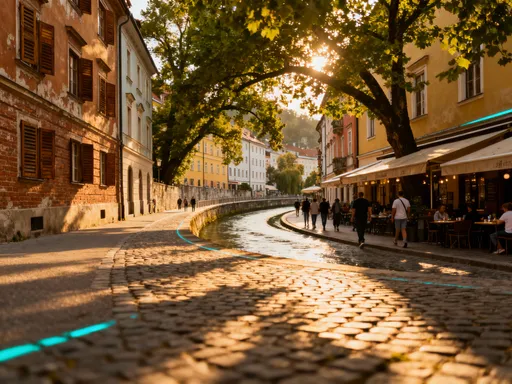
Pécs isn’t just Hungary’s cultural gem—it’s a treasure chest of quiet alleys, sunlit courtyards, and views that stop your breath. I wandered with no map and found magic where most tourists don’t look. If you're chasing real moments, not just checkmarks, let me show you how to see Pécs like a local. This isn’t about famous landmarks—it’s about feeling the city’s soul through its most beautiful, overlooked corners. With its mosaic of architectural styles, layers of history, and gentle pace of life, Pécs invites travelers to slow down and discover beauty in stillness. In this guide, you’ll learn how to experience the city beyond postcard snapshots, uncovering serene viewpoints, local rhythms, and quiet corners where time seems to pause.
Why Pécs Stands Out in Central Europe
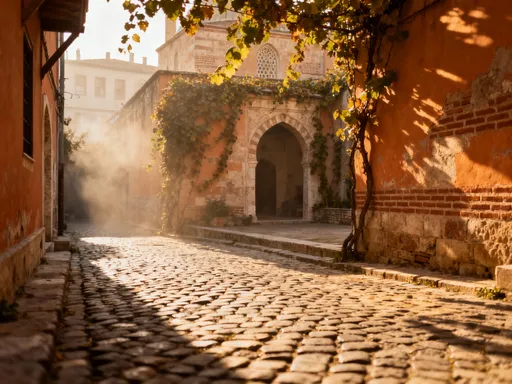
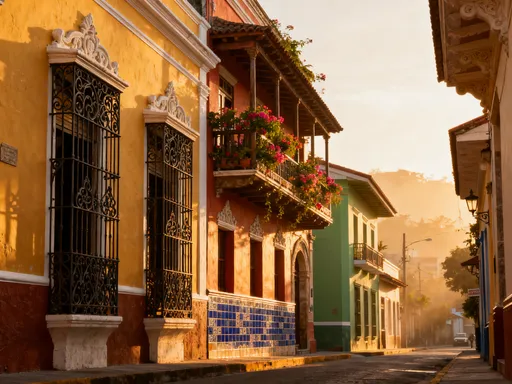
Pécs occupies a rare space in Central Europe—a city where cultures have not only coexisted but woven themselves into a harmonious urban fabric. Its location in southern Hungary, near the Croatian border, has made it a crossroads for centuries. The influence of the Ottoman Empire is visible in the delicate minaret rising above the city skyline and the restored Mosque of Gázi Kászim Pasha, which now serves as both a historical site and a symbol of peaceful continuity. Walking through the Inner City, one notices the subtle curves of archways, the cool stone underfoot, and the way sunlight filters through vine-laced courtyards—each detail echoing a different era.
What truly sets Pécs apart is not just its layered history, but how that history lives on in daily life. The UNESCO-listed early Christian necropolis, buried beneath the cathedral grounds, dates back to the 4th century and features intricately carved tombs adorned with symbolic frescoes. Visitors descend into the quiet underground chambers and are met with a sense of reverence—a reminder that this city has long been a place of reflection and spiritual depth. Yet, Pécs is far from frozen in time. Its vibrant arts scene, anchored by the Janus Pannonius Museum and the Zsolnay Cultural Quarter, brings contemporary energy to ancient streets.
The Zsolnay porcelain factory, once an industrial powerhouse, now stands as a cultural beacon, its iridescent ceramic tiles glinting on rooftops and façades across the city. This blend of old and new creates a unique rhythm—one that feels both grounded and evolving. Unlike larger European capitals where modernity often overshadows heritage, Pécs maintains a balance. Historic homes with pastel shutters sit beside art galleries in repurposed workshops. Street musicians play near 18th-century baroque churches, and café tables spill onto cobbled lanes once trodden by Roman traders.
For the thoughtful traveler, this fusion offers more than visual appeal—it invites deeper engagement. Pécs does not demand attention through grand monuments or crowded attractions. Instead, it rewards curiosity. A narrow alley may lead to a sun-drenched courtyard where geraniums bloom in painted pots. A quiet staircase might open onto a rooftop view of terracotta rooftops stretching toward distant hills. The city’s charm lies not in spectacle, but in discovery—the joy of stumbling upon beauty that feels personal, almost secret.
The Art of Choosing the Right Time to Visit
Timing can transform a visit to Pécs from pleasant to profound. While the city is welcoming year-round, each season offers a distinct character, shaping not only the weather but the very mood of the streets. Spring, from April to early June, is perhaps the most enchanting time. Gardens burst into color, especially around the Pécs Zoo and the Botanical Garden of the University of Pécs, where magnolias, tulips, and wisteria create a fragrant tapestry. The air carries a soft warmth, and the light has a golden clarity that enhances the city’s pastel architecture.
Autumn, particularly September and October, rivals spring in beauty. The leaves turn in the city’s many parks, casting a warm glow over the historic center. The temperature remains mild, ideal for long walks without the summer heat. This season also brings the Zsolnay Light Festival, a celebrated event where the facades of historic buildings are illuminated with dazzling projections. The glow of light dancing across centuries-old stone creates a dreamlike atmosphere, drawing locals and visitors alike into the heart of the city after dark.
Summer, while vibrant, can be warm, especially in July and August when temperatures occasionally rise above 30°C (86°F). Yet, the long daylight hours allow for early morning and late evening exploration, when the city feels most alive. Outdoor cafés buzz with conversation, and open-air concerts add melody to the evenings. For those who enjoy festival energy, the Pécs International Music Festival in summer offers classical performances in stunning venues, from churches to courtyards.
The shoulder seasons—late spring and early autumn—are ideal for travelers seeking comfort and authenticity. Crowds are thinner, accommodations more available, and the pace more relaxed. These periods also offer the best conditions for photography, as the soft, angled light enhances textures and colors without the harsh contrast of midday sun. By planning your visit around these seasonal rhythms, you align yourself not just with the calendar, but with the natural heartbeat of the city.
Mastering the Morning Light: Photography & Serenity
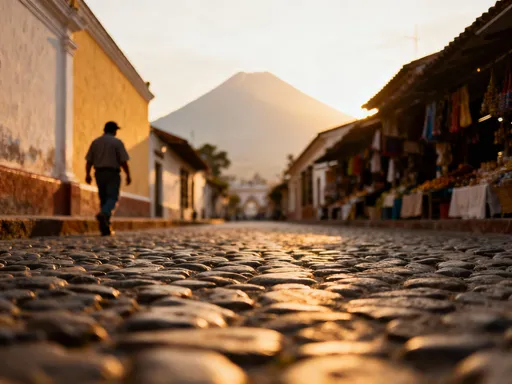
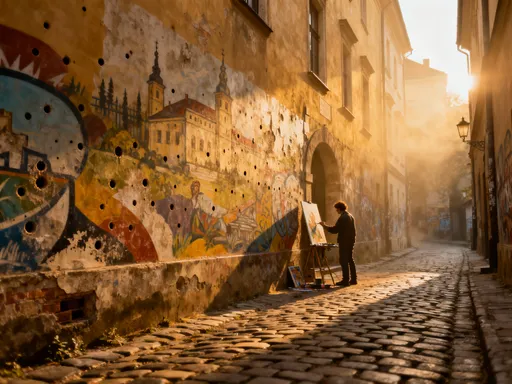
One of the simplest yet most powerful ways to experience Pécs is to rise early. In the first hours after sunrise, the city sheds its daytime rhythm and enters a state of quiet grace. The Ottoman Quarter, with its narrow lanes and low stone walls, becomes a canvas of light and shadow. Sunlight slips through alleyways, gilding the edges of arched doorways and casting long, dramatic silhouettes across the pavement. This is the time when photography becomes effortless—even a smartphone can capture images with depth and emotion.
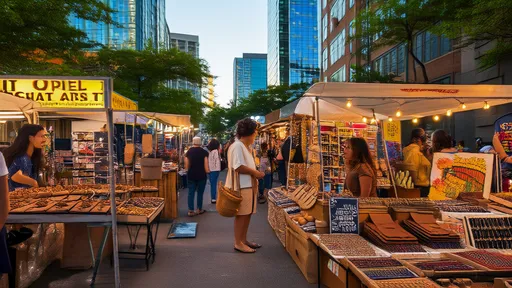
Széchenyi Square, usually bustling by mid-morning, is still and reflective in the early hours. Dew clings to flower boxes, and the first vendors set up their stalls with quiet purpose. The cathedral’s façade, illuminated by the low-angle sun, reveals details often missed in brighter light—the texture of stonework, the play of shadow in carved niches, the way the rose window catches the dawn. These moments are fleeting, lasting only a few minutes, but they leave a lasting impression.
For those interested in capturing the city’s essence, focus on textures: the peeling paint on a garden gate, the mosaic of tiles on a rooftop, the ivy creeping up a centuries-old wall. These details tell stories of time, weather, and care. You don’t need a professional camera—just patience and attention. A tripod isn’t necessary, but a steady hand or a small surface to rest your phone can help in low light. Try shooting in portrait mode to emphasize depth, or use the grid feature to align architectural lines.
Beyond photography, the early morning offers a chance for serenity. Fewer people mean more space to breathe, to listen, to notice. Birds sing from treetops in small parks, and the scent of fresh bread drifts from bakeries opening their doors. This is not just a time for pictures—it’s a time for presence. By starting your day in stillness, you set a tone of mindfulness that can carry through your entire visit.
Off-the-Beaten-Path Viewpoints Most Travelers Miss
While guidebooks highlight the cathedral and the necropolis, some of Pécs’s most breathtaking views lie just beyond the main paths. One such spot is the quiet terrace on the east side of Pécs Cathedral. Reached by a narrow staircase behind the church, this small platform offers an unobstructed panorama of the city’s red rooftops, with the minaret rising gracefully in the distance. On clear mornings, mist curls above the valleys, and the first light paints the Zsolnay dome in soft amber. It’s a place of contemplation, rarely crowded, where you can sit and watch the city awaken.
Another hidden gem is the hillside path behind the Zsolnay Cultural Quarter. Winding upward through trees and wildflowers, this trail leads to a natural overlook with a sweeping view of the city below. In autumn, the foliage turns brilliant shades of red and gold, framing the skyline like a painting. The path is well-maintained but seldom busy, making it perfect for a peaceful walk. Bring a light jacket—the elevation brings a cool breeze, even in summer.
Equally rewarding is a tucked-away garden near the University of Pécs’s medical campus. Officially known as the Clinical Center Garden, it is open to the public and often overlooked by tourists. Benches surround a small fountain, and climbing roses bloom along stone walls. Students read between classes, and the air carries a sense of calm focus. It’s a rare urban garden that feels private yet welcoming, a green sanctuary in the middle of academic life. Visiting in the late afternoon, when the sun slants through the trees, enhances the sense of tranquility.
These locations share a common quality: they are not destinations in the traditional sense. They don’t have ticket booths or guided tours. Instead, they offer moments of connection—with nature, with architecture, with the quiet pulse of the city. To find them, you must wander with intention, turn down side streets, and look beyond the obvious. But the reward is a deeper, more personal experience of Pécs.
Walking with Purpose: Designing a Scenic Stroll
A meaningful way to explore Pécs is to design a walk that balances sightseeing with sensory experience. Begin at the Mosque of Gázi Kászim Pasha, where the stillness of the courtyard invites reflection. From there, follow the cobblestone lanes of the Inner City, allowing yourself to pause at small shops selling handmade ceramics or local honey. Notice how the buildings change as you move—baroque facades give way to Ottoman-era homes with wooden overhangs and shaded courtyards.
Continue toward Széchenyi Square, the heart of the city. This is a natural rest point, where you can sit at a café and observe daily life. Order a cup of strong Hungarian coffee and a slice of rétes, a traditional layered pastry. Watch as locals greet each other by name, and delivery bikes weave through the square. After resting, head uphill toward the Citadel ruins. The climb is gentle, lined with wild herbs and offering occasional glimpses of the city behind you.
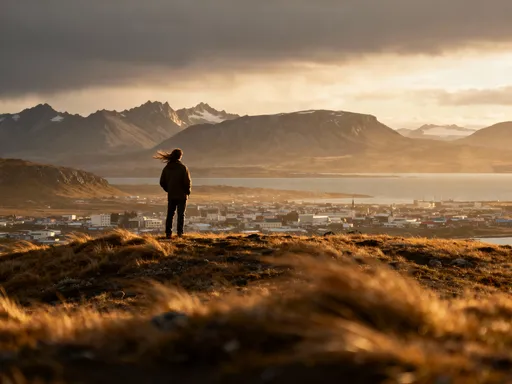
The ruins themselves are not grand, but they provide a sense of history and elevation. From this vantage point, you can see how the city spreads across the hills, with the Zsolnay Quarter glowing in the distance. A bench near the edge offers a perfect spot to sit and absorb the view. On clear days, the Mecsek hills form a soft blue line on the horizon.
The return route can follow a different path—perhaps down through the University Quarter, where students stroll between classes and flower beds bloom in geometric patterns. This kind of walk, unplanned in its details but guided by curiosity, allows for spontaneous discoveries. You might hear a violinist playing in a covered passage, or find a hidden courtyard filled with potted lemon trees. The goal is not to cover ground, but to let the city reveal itself at its own pace.
Local Insights: How to Blend In and Discover More
One of the most rewarding aspects of travel is the feeling of belonging, even if only for a moment. In Pécs, this begins with small gestures. Start your day like a local—visit a neighborhood kiosk for a fresh pastry and a paper cup of coffee. Smile and say "szia" (hello) when entering a shop. These simple acts open doors, not just to service, but to connection.
Locals appreciate when visitors take time to observe rather than rush. Sit in a small park and watch children play, or linger outside a bakery to admire the display. You may be invited into conversation, or simply feel the rhythm of daily life. Respect is key—avoid loud voices, refrain from touching private property, and never photograph people without permission.
Another way to blend in is to follow local foot traffic. Notice where residents walk, where they stop to talk, where they sit in the late afternoon. These patterns often lead to overlooked beauty: a flower-filled courtyard visible through an open gate, a street musician performing in a shaded archway, a quiet bench with a view of the hills. By moving slowly and paying attention, you begin to see the city through local eyes.
Respect also means preserving the peace. Pécs is not a city of loud attractions or crowded markets. Its charm lies in quiet corners and unhurried moments. When you visit a historic site or a hidden garden, leave it as you found it. Take only photographs, carry only memories. In doing so, you honor not just the place, but the people who call it home.
From Sightseeing to Meaningful Experience: The Mindset Shift
The deepest travel experiences come not from how much you see, but from how deeply you feel. In Pécs, this means shifting from a checklist mentality to one of presence. Instead of rushing from monument to museum, try returning to the same bench twice in one day. Notice how the light changes, how the shadows move, how the sounds of the city shift from morning quiet to afternoon hum.
This practice of returning, of revisiting, fosters connection. You begin to recognize faces—the baker who nods as you pass, the woman who walks her dog at sunset. A square that seemed ordinary at noon becomes magical at dusk, when lanterns flicker on and the air cools. These are the moments that stay with you, not because they are dramatic, but because they are real.
Intentionality is the key. Decide not to see everything, but to experience something fully. Sit with a book in a sunlit courtyard. Listen to the chime of the cathedral clock. Let yourself get slightly lost, then find your way back. These small acts cultivate mindfulness, turning a trip into a journey of the soul.
In a world of fast travel and curated Instagram moments, Pécs offers a different path. It invites slowness, observation, and emotional resonance. When you leave, you may not remember every street name or historical fact, but you will remember the feeling—the warmth of the sun on an old wall, the scent of jasmine in a hidden garden, the quiet joy of being fully present in a beautiful place.
Pécs rewards those who look closely. Beyond guidebook highlights, its true beauty lives in stillness, in corners touched by time and light. By choosing moments over checklists, you don’t just visit—you remember. Let the city breathe through you, and you’ll carry its quiet magic long after you leave.