Frame the Light: Where Monaco’s Public Spaces Come Alive Through the Lens
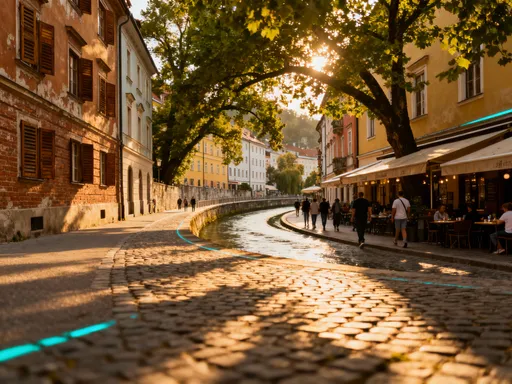
You know that magic moment when golden hour hits just right and the city seems to glow? That’s exactly what happened when I stepped into Monte Carlo’s public spaces with my camera. What I didn’t expect was how these open plazas, promenades, and hidden corners could feel so alive—each one a perfect stage for photography. From the sparkle of the harbor to quiet garden paths, every shot told a story. Light danced across marble facades, reflections shimmered in puddles after a brief rain, and people moved through the spaces like characters in a carefully composed film. In Monaco, beauty isn’t just preserved behind glass—it unfolds in real time, in shared spaces, waiting to be framed.
The Photographic Pulse of Monte Carlo
Monte Carlo pulses with a rhythm that photographers can feel almost immediately. Its public spaces are not mere gaps between buildings but intentional, living environments where light, architecture, and human movement converge. Unlike cities where grandeur feels distant or exclusive, here luxury is woven into the public realm in a way that remains accessible to the lens. The interplay of Mediterranean sunlight with pale stone, glass, and water creates natural contrast and depth, ideal for compelling imagery. Whether it’s the soft diffusion of morning haze over the casino dome or the sharp reflections of evening lights on wet cobblestones, the city offers a dynamic canvas shaped by time and weather.
What sets Monte Carlo apart is how its design invites observation. Wide promenades, open squares, and tiered gardens are arranged not only for leisure but for visual engagement. These spaces are choreographed to highlight beauty from multiple vantage points, rewarding those who pause and look closely. The presence of people—strolling, sitting, conversing—adds warmth and scale, turning architectural precision into human stories. A woman adjusting her sunglasses beneath a palm tree, a child reaching toward a fountain, a couple pausing to read a plaque—each moment becomes a fleeting composition, made possible by the thoughtful integration of space and life.
Photographically, this means that even seemingly static locations rarely feel stagnant. The city’s microclimates, changing light angles, and seasonal shifts ensure that no two visits yield the same images. A plaza bathed in cool blue morning light will transform by midday into a high-contrast study of shadow and brilliance. This constant evolution encourages repeat visits and patient observation. For photographers, Monte Carlo is less about capturing a single iconic view and more about documenting the subtle shifts that give a place its soul. It’s a destination where the act of seeing becomes as enriching as the images created.
Place du Casino: More Than Just a Backdrop
No public space in Monte Carlo commands attention quite like Place du Casino. Framed by the opulent facade of the Monte Carlo Casino, the Hôtel de Paris, and the Café de Paris, this elegant square is a masterclass in urban theater. Yet beyond its postcard-perfect symmetry lies a living environment where light, architecture, and human activity create endlessly varied photographic opportunities. The square is not a museum piece but a stage, alive with movement and mood that shifts from dawn to midnight.
Morning brings a rare stillness. With fewer tourists and a soft, low-angled sun, the square opens up for clean, detailed shots. Early light skims the ornate carvings of the casino’s exterior, revealing textures often lost in harsher daylight. Fog occasionally drifts in from the sea, wrapping the buildings in a silken veil—ideal for moody, atmospheric compositions. This is the time to focus on architectural details: the curve of a wrought-iron railing, the reflection of a lamp post in a polished stone surface, or the delicate play of shadow across a Corinthian column.
By midday, the square transforms. Sunlight floods the open space, creating strong contrasts between light and shadow. The golden tones of the buildings glow under direct sun, and the movement of people adds energy. Tourists pause for photos, locals pass through on errands, and staff in crisp uniforms tend to outdoor seating. These moments offer candid storytelling potential—a waiter balancing trays, a child mesmerized by a street performer, or a well-dressed couple sharing a quiet laugh. The key is patience: waiting for a person to step into the perfect patch of light, or for a gap in foot traffic to clear a clean line of sight.
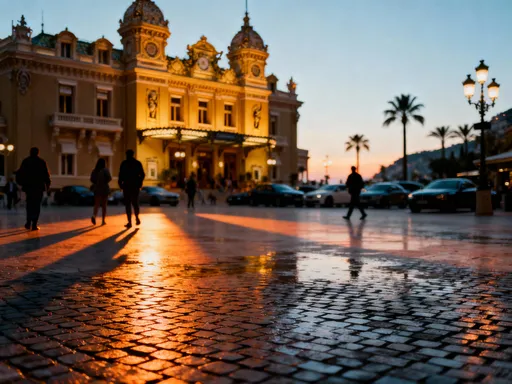
At night, Place du Casino becomes a different world altogether. Illuminated facades turn the square into a jewel box of light and reflection. The casino’s chandeliers glow through tall windows, and lampposts cast warm halos on the pavement. Puddles from an earlier rain multiply the scene, doubling the grandeur in rippling symmetry. Long exposures can capture the blur of passing figures against the sharp stillness of the architecture, emphasizing the contrast between transience and permanence. Tripods are often discouraged in the center, but handheld techniques with stabilized lenses can still yield stunning results. The square at night is not just beautiful—it’s cinematic.
The Waterfront That Never Sleeps: Port Hercules
Port Hercules is the beating heart of Monaco’s waterfront, a place where wealth, work, and daily life intersect in full view. This deep-water harbor, sheltered by the natural curve of the coast, hosts some of the world’s most luxurious yachts, yet it remains a thoroughly public space. Walkways encircle the basin, offering unobstructed views and a constant stream of photographic subjects. From dawn till late evening, the port evolves—its mood, light, and activity creating distinct visual chapters throughout the day.
Early morning is a time of quiet preparation. Crew members in uniform move across decks, tending to lines and polishing rails. The water is often glassy, mirroring the sky and surrounding buildings with near-perfect clarity. This is the ideal time for reflection shots—yachts floating upside down in still water, their masts forming geometric patterns against a pastel dawn. A telephoto lens can isolate details: the nameplate of a superyacht, a coiled rope, or a single figure silhouetted against a cabin window. The absence of crowds allows for unobstructed compositions and longer, more contemplative framing.
As the day progresses, the port gains energy. Visitors arrive to stroll the promenade, drawn by the spectacle of floating luxury. Street performers—musicians, magicians, living statues—set up near the main access points, adding bursts of color and motion. Families pause to take photos, couples lean on railings, and joggers weave through the foot traffic. These interactions provide opportunities for layered storytelling: a child pressing hands against the glass of a submarine tour booth, a tourist adjusting a camera while framed by a towering yacht behind them. Wide-angle lenses work well here, capturing both the scale of the harbor and the intimate moments within it.
Golden hour at Port Hercules is nothing short of magical. The western sun skims the water, setting the surface ablaze with amber light. Yachts catch the glow on their hulls, their polished surfaces turning molten. The contrast between warm light and cool shadows creates depth and drama. This is also when reflections are most vivid—especially after a light rain, when the walkways glisten and multiply the scene. A polarizing filter can help manage glare and enhance color saturation. For those seeking intimacy amid grandeur, zooming in on a single porthole glowing from within, or a crew member waving from a deck, can yield powerful, human-centered images.
Jardin des Palmiers: A Green Escape with Visual Rhythm
Nestled just steps from the casino and the bustle of Place du Casino, Jardin des Palmiers offers a striking contrast—a serene, leafy retreat where light filters gently through towering palms and flowering shrubs. Designed in the 19th century, this public garden blends formal European structure with Mediterranean flora, creating a space that is both orderly and lush. For photographers, it presents a quieter kind of beauty, one defined by rhythm, texture, and the subtle interplay of light and shadow.
The garden’s layout is inherently photogenic. Symmetrical pathways lined with stone edging guide the eye toward focal points—a central fountain, a shaded bench, a cluster of sculpted hedges. These lines serve as natural leading elements, drawing viewers into the frame. The repetition of palm trunks creates vertical patterns, especially effective when shot from a low angle or with a wide lens. Backlighting during mid-morning or late afternoon can turn fronds into translucent silhouettes, their edges glowing with a golden halo. The contrast between dense shade and sunlit clearings adds drama without harshness, making it an ideal location for portraits or mood-driven compositions.
Seasonal changes bring variety. In spring, bougainvillea spills over walls in bursts of magenta and coral, offering vibrant accents against neutral stone and green foliage. Citrus trees bloom with fragrant white flowers, and jasmine vines climb trellises, their delicate forms perfect for close-up photography. Even in summer, when much of the garden is in deep shade, the air feels cooler, and the light takes on a dappled quality, shifting with the breeze. A fast shutter speed can freeze the movement of leaves, while a slower one can blur them slightly, suggesting motion and atmosphere.
Jardin des Palmiers also invites stillness—a rare commodity in Monte Carlo. Benches are thoughtfully placed beneath canopies, offering rest and reflection. These quiet moments are worth capturing: an elderly woman reading under a hat, a couple sharing a quiet conversation, a stray cat stretching in a sunbeam. The garden doesn’t demand attention; it rewards patience. Photographers who linger may witness subtle interactions—a gardener watering plants, a child chasing a butterfly—that speak to the everyday poetry of public space. Here, beauty is not performative but present, waiting to be noticed.
Promenade Rainier III: Walking the Line Between Nature and City
Stretching along the eastern edge of Monte Carlo, Promenade Rainier III is a modern public space that redefines the relationship between urban design and natural environment. Built on reclaimed land, this riverside walkway blends sleek landscaping with ecological sensitivity, offering panoramic views of the marina and the Alps beyond. Unlike the historic grandeur of Place du Casino, this promenade feels contemporary and accessible, designed for walking, relaxing, and observing. For photographers, it provides a fresh perspective—one that balances human intervention with natural beauty.
The promenade’s design emphasizes flow and openness. Wide, smooth pathways accommodate strollers, cyclists, and joggers, while low hedges and native plantings soften the edges. Water features—shallow pools, fountains, and misting stations—add movement and reflection, especially appealing in warm weather. These elements create dynamic textures: ripples distorting mirrored images of buildings, droplets catching sunlight like tiny prisms. A macro lens can capture the delicate patterns of water on stone, while a wide shot can frame the entire marina with the promenade in the foreground, creating depth and context.
Public art is integrated seamlessly into the landscape. Sculptures in metal and stone appear at intervals, often abstract but always engaging. They serve as visual anchors, offering points of interest and framing opportunities. A curved steel installation might frame a view of a passing boat, or a reflective sphere could capture the sky and surrounding greenery in a single shot. These works are not isolated objects but part of the environment, changing with the light and weather. Photographing them at different times of day reveals new interpretations—what looks solid and dark in morning light may shimmer with reflected color at sunset.
The promenade’s greatest strength is its contrast. After the opulence of the casino district, this space feels grounded and calm. It’s where locals come to walk dogs, push strollers, or sit with coffee. The presence of everyday life—parents watching children play, couples on benches, elderly men playing chess—adds authenticity. These moments are not staged; they unfold naturally in a space designed for comfort and connection. For photographers, this means access to genuine human expressions without intrusion. The long, open sightlines allow for candid shots from a respectful distance, preserving privacy while capturing emotion. It’s a reminder that public spaces thrive not just on beauty, but on belonging.
Hidden Corners: Finding Authenticity Beyond the Glamour
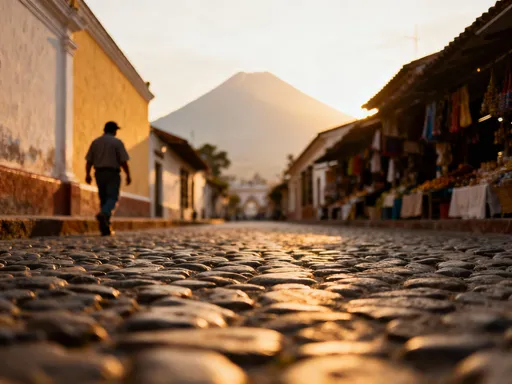
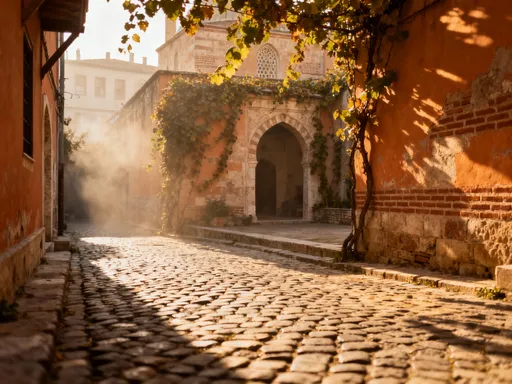
While Monte Carlo’s iconic sites draw well-deserved attention, some of its most powerful photographic moments happen in the spaces between—the quiet staircases, tucked-away benches, and side plazas where life unfolds without performance. These hidden corners offer a counterpoint to the city’s polished image, revealing the rhythm of daily existence. They are not listed in guidebooks, but they are where authenticity resides: in the pause of a delivery worker catching his breath, in the laughter of children playing near a fountain, in the way sunlight falls across a cobblestone alley at 4 p.m.
One such spot is the narrow staircase near Rue Grimaldi, where residents move between levels of the city. Worn stone steps, iron railings with a slight patina, and potted plants on landings create a sense of intimacy. Early in the morning, this area is alive with local activity—shopkeepers opening shutters, neighbors exchanging greetings, cats darting between walls. The light here is indirect, softened by surrounding buildings, creating even exposure ideal for natural-looking shots. A 35mm or 50mm lens works well, allowing for environmental portraits without distortion.
Another overlooked area is the small plaza behind the Opéra de Monte-Carlo. Less trafficked than Place du Casino, it offers a quieter stage for observation. Benches shaded by plane trees provide resting spots for locals, and the sound of rehearsals sometimes drifts through open windows. This is a place for patience—waiting for a musician to step outside for a break, for a bird to land on a statue, for sunlight to shift across the pavement. The reward is not a single dramatic image, but a series of subtle, connected moments that together tell a deeper story of place.
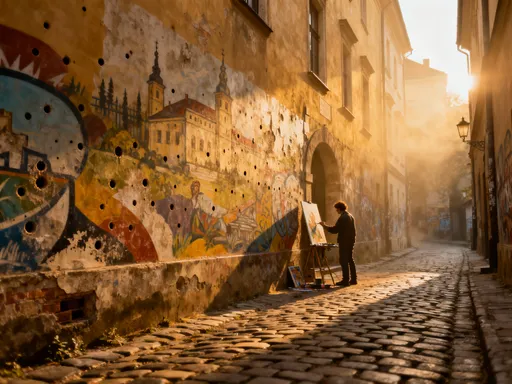
Finding these spaces requires wandering without agenda. It means turning away from crowds, listening to the city’s quieter rhythms, and being open to surprise. A closed gate might lead to a courtyard with a single blooming rose; a side street might reveal a mural painted on a retaining wall. These discoveries are not just photographic—they are emotional. They remind us that even in a place known for luxury, life persists in small, unguarded moments. Capturing them is not about intrusion, but about recognition: seeing what is already there, and honoring it with attention.
Shooting Smart: Etiquette, Timing, and Gear Tips
Photographing public spaces in Monte Carlo requires more than technical skill—it demands awareness, respect, and preparation. While the city is generally welcoming to visitors with cameras, certain guidelines ensure that photography remains a positive experience for everyone. Understanding local etiquette, mastering timing, and choosing the right gear can make the difference between a rushed snapshot and a meaningful image.
First, respect for privacy is essential. While public spaces are open, individuals have a right to their moment. Avoid zooming in on private conversations, meals, or quiet reflections without consent. If photographing people up close, a smile and a nod can go a long way. In many cases, asking permission—especially for portraits—builds trust and often leads to more natural expressions. When in doubt, observe first, shoot later. Candid moments are most powerful when they are genuine, not forced.
Timing is equally important. To avoid crowds, aim for early morning (7–9 a.m.) or late evening (after 7 p.m.). These times offer not only softer light but also a calmer atmosphere. Golden hour—roughly one hour after sunrise and before sunset—provides warm, directional light that enhances texture and depth. Blue hour, just before sunrise or after sunset, is ideal for cityscapes with illuminated architecture and minimal movement. Midday light can be harsh, but it works well for high-contrast black-and-white photography or when shooting under shade.
As for gear, simplicity often wins. A lightweight mirrorless camera or advanced compact with a 24–70mm lens covers most scenarios. A 70–200mm telephoto is useful for isolating details from a distance, while a wide-angle (16–35mm) excels in tight spaces or for capturing expansive views. A polarizing filter reduces glare on water and glass, and a neutral density filter can help with long exposures in daylight. Tripods are restricted in many areas due to space constraints, so practice handheld stability techniques—bracing against railings, using image stabilization, or increasing ISO when necessary.
Finally, be mindful of local regulations. Drones are prohibited in Monaco without special permission. Some private properties adjacent to public spaces may have signage restricting photography. When in doubt, observe what others are doing or consult local information points. The goal is not just to take photos, but to do so in a way that honors the place and its people.
Conclusion: Framing More Than Moments
Photographing Monte Carlo’s public spaces is about more than capturing beautiful scenes—it’s about engaging with the soul of a city. Each frame holds not just light and form, but the quiet pulse of shared life. From the grandeur of Place du Casino to the stillness of a hidden garden bench, these spaces invite us to look closer, to slow down, to see beyond the surface. They remind us that even in places known for luxury, the most enduring images are often the simplest: a hand resting on a railing, sunlight through leaves, the reflection of a passing cloud in a puddle.
The act of photographing becomes a form of connection. It encourages mindfulness, deepens appreciation, and fosters a sense of belonging. Every shot preserves a moment that would otherwise vanish—a child’s laugh, a fleeting expression, the way the wind moves through a palm tree. These are not just pictures; they are memories in the making, invitations to return, to notice, to care.
For women between 30 and 55, many of whom balance family, work, and personal passions, photography offers a way to reclaim time and attention. It turns a walk through the city into a creative journey, a chance to see the world with fresh eyes. Monte Carlo, with its rich textures, shifting light, and layered spaces, is an ideal place to begin or deepen that practice. It doesn’t require expensive gear or expert knowledge—just curiosity, patience, and a willingness to be present.
So pick up your camera, step into the light, and let the streets speak. Look beyond the postcard views. Find the quiet corners, the unexpected reflections, the unposed moments. In doing so, you’re not just framing a scene—you’re framing a way of seeing. And that, perhaps, is the most beautiful image of all.